


Optimized Logistics: Analyzing the Weight, Stacking Stability, and Freight Cost of Aluminum Foil Containers
Logistics and Cost Implications of Aluminum Foil Containers
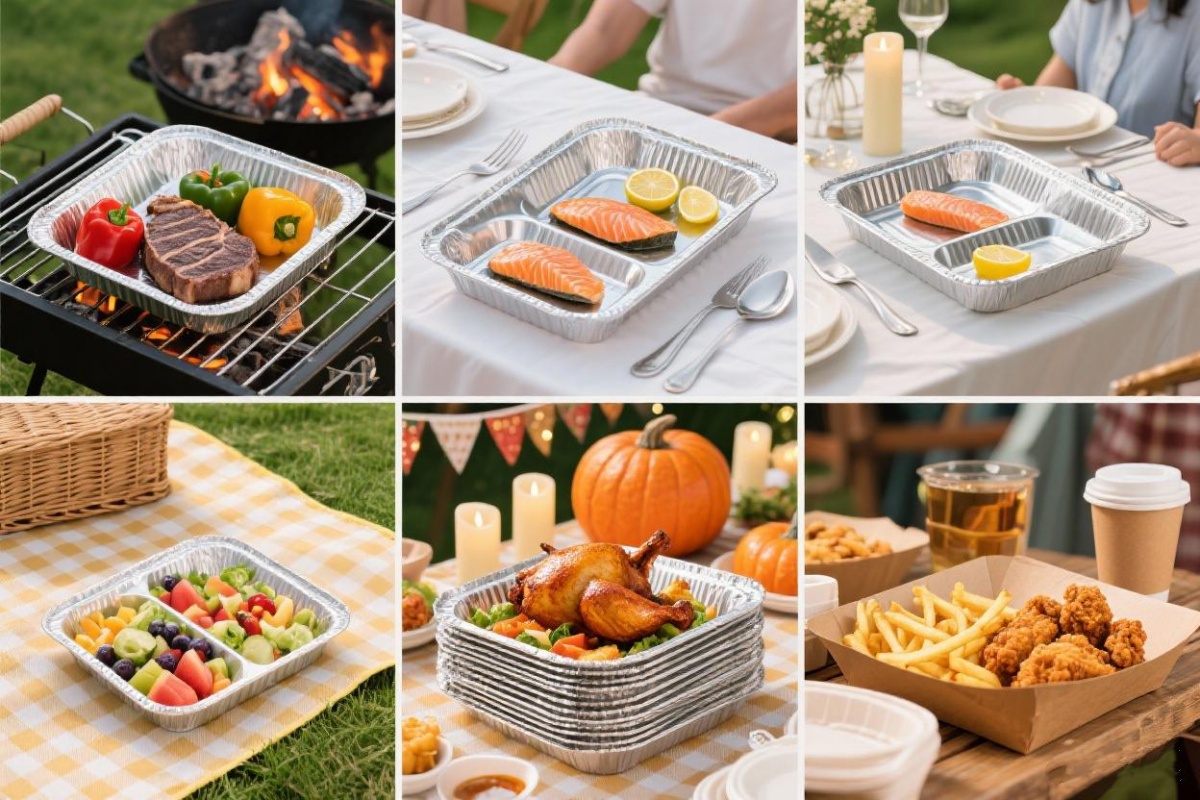
For B2B buyers purchasing in bulk, the logistics profile of the product—specifically its weight, volume, and stacking stability—directly impacts the final landed cost. Aluminum Foil Containers (AFCs) offer a uniquely advantageous logistics profile due to their extremely low weight-to-volume ratio and deep nesting capability, which minimizes freight charges.
1. Weight and Freight Cost Advantage
Aluminum is significantly lighter than comparable rigid materials (e.g., bagasse or heavy plastic), providing substantial benefits for air freight and volume-based ocean shipping.
Low Unit Weight
Aluminum foil is typically 30% to 50% lighter than an equivalent-sized paperboard or plastic container, minimizing the actual weight cost component of shipping.
Dimensional Weight (DIM) Optimization
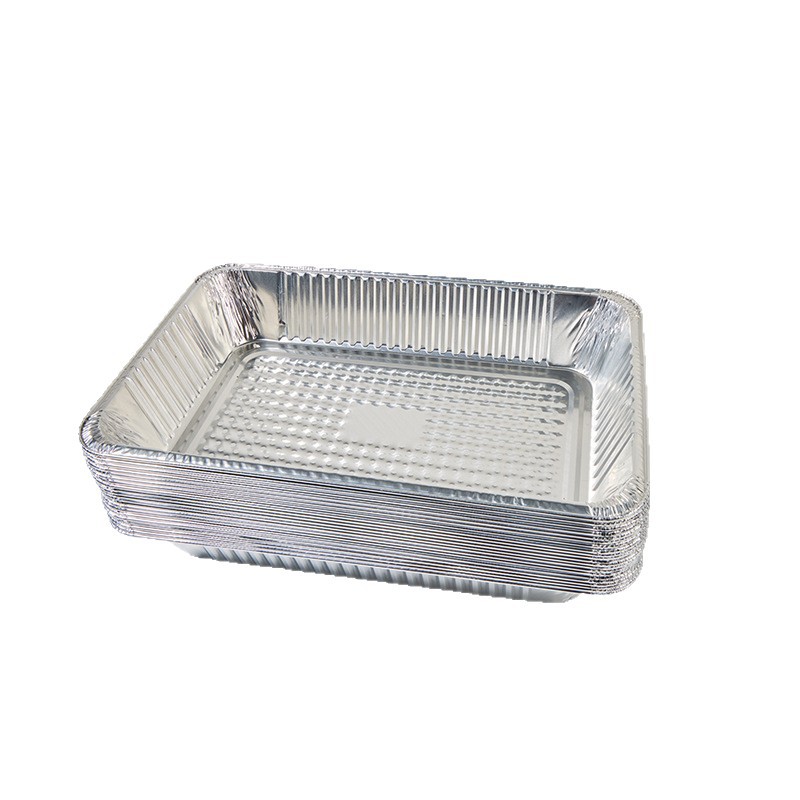
Although AFCs are thin, they are designed for deep nesting—meaning thousands of units can be stacked into a single, compact carton. This maximizes the Product Count Per Cubic Meter (PCCM), significantly reducing the effective DIM weight ratio for freight calculations.
Logistics KPI
Our optimized nesting geometry ensures we achieve a volume utilization rate of 95% within a 40ft HQ container, translating directly into the lowest possible freight Cost Per Unit (CPU) for the client.
2. Stacking Stability and Warehouse Efficiency
The stability of AFCs during transit and in warehouse storage is crucial for preventing damage and maximizing space.
Nesting Rigidity
When empty, stacked AFCs provide a surprisingly rigid column. However, they are highly susceptible to lateral crushing if the surrounding cardboard master carton is damaged.
Palletization Standard
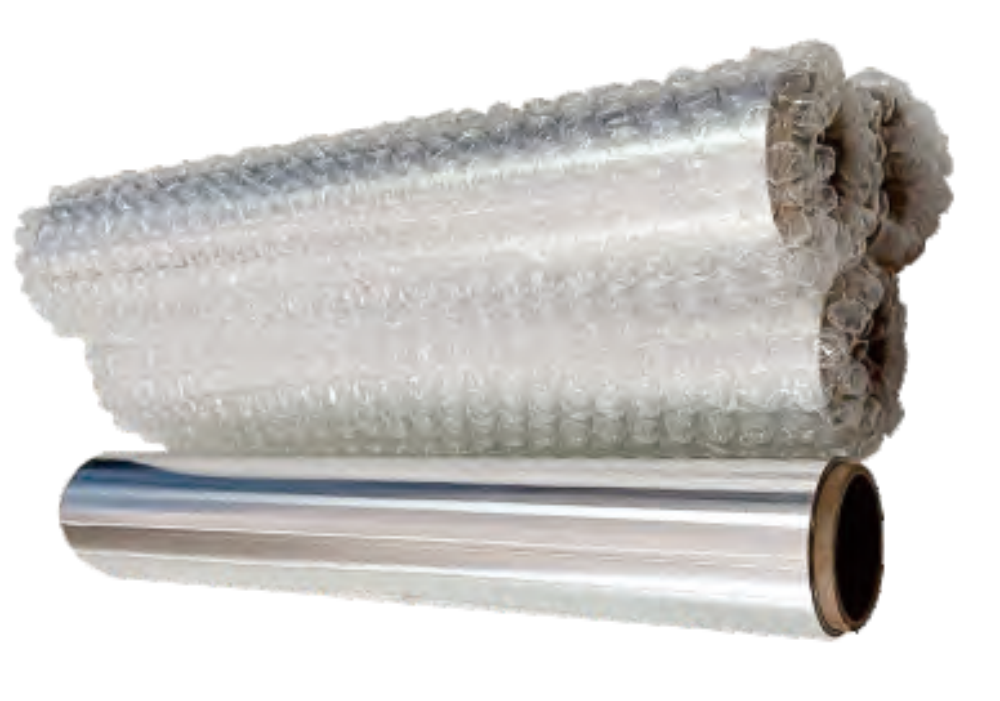
We use high-strength, double-wall corrugated cartons and ensure all pallets are securely wrapped and stabilized to support the maximum safe stacking height (typically 8 to 10 cartons high), optimizing vertical space utilization in the warehouse.
Client Advice
While lightweight, B2B clients must ensure forklift operators handle AFC pallets carefully to prevent side-impact damage, which can deform the top layers of containers, rendering them unusable.
3. Handling and Automation
AFCs perform well in both manual and automated packing environments.
Automation Compatibility
The defined, rigid rim of the AFC makes it highly compatible with automated de-nesting and filling machines common in meal preparation facilities.
Ease of Sealing
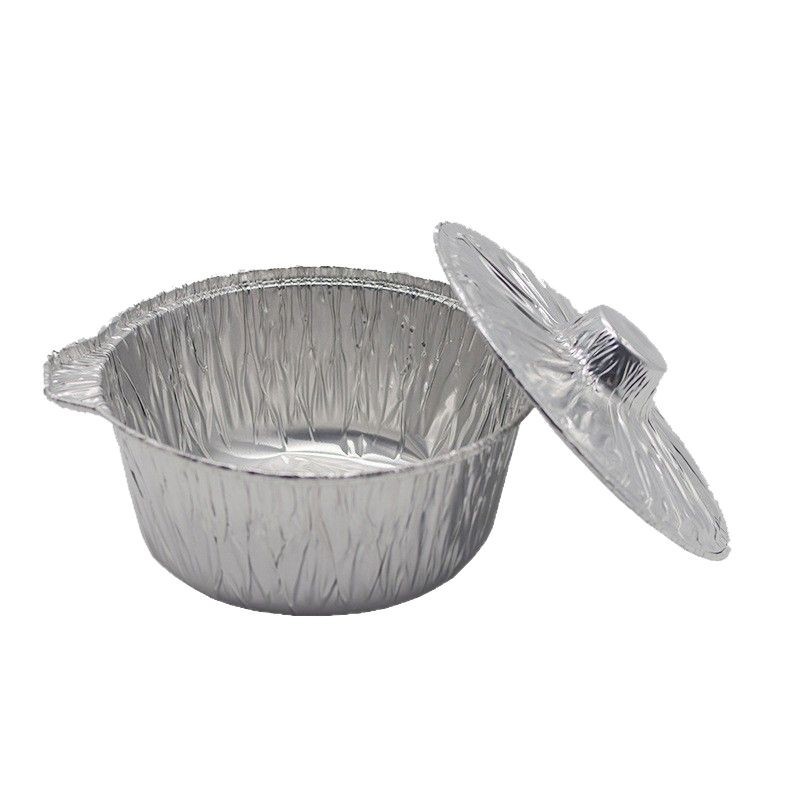
Aluminum foil lids can be heat-sealed to the container rim using simple pressure or heat, creating an instant, tamper-evident seal for food safety and transport integrity.
4. Financial Impact
The low-weight, high-density packing of AFCs means that the financial investment is concentrated on the material value (which is recoverable through recycling) rather than on unnecessary, volume-based freight costs.
| Logistics Factor | Aluminum Foil Containers | Traditional Plastic/Paper Containers | Impact on Cost |
|---|---|---|---|
| Unit Weight | 30–50% lighter | Heavier | Lower weight-based freight charges |
| Nesting Density | High (95% container utilization) | Moderate to low | Reduces dimensional weight; increases units per shipment |
| Stacking Height | 8–10 cartons high (stable) | Varies; often lower | Maximizes warehouse vertical space |
| Automation Compatibility | High | Varies | Reduces labor cost; increases packing speed |
| Material Value Recovery | High (fully recyclable) | Low to moderate | Reduces net material cost via recycling credits |
In summary, aluminum foil containers deliver significant logistical and financial advantages for bulk B2B procurement. Their lightweight nature, high nesting density, stacking stability, and automation compatibility collectively reduce freight costs, optimize warehouse space, and streamline operations. By choosing AFCs, businesses not only invest in a high-performance packaging solution but also achieve tangible savings across the supply chain.