


Beyond Single-Use: Practical Guide to Reusing, Cleaning, and Sanitizing Aluminum Foil Containers
Reusability and Cleaning of Aluminum Foil Containers

While aluminum foil containers (AFCs) are most commonly used for single-service catering and take-out, their durability and high material value make them excellent candidates for consumer reuse. For B2B clients targeting environmentally conscious consumers, promoting the safe secondary use of AFCs is a valuable brand message, provided clear cleaning guidelines are shared.
1. The Case for Reusability
Aluminum's material properties support multiple reuse cycles, particularly for home cooking and storage.
Durability
AFCs are designed to withstand oven temperatures and physical handling, making them structurally sound for repeated use if not overly bent or damaged.
High Barrier
The excellent barrier properties of aluminum make it ideal for reheating, storing frozen food, or packing leftovers without fear of odor absorption or freezer burn.
Environmental Impact
Although aluminum is infinitely recyclable, maximizing its use cycle (reusability) before recycling further reduces the energy demand associated with frequent disposal.
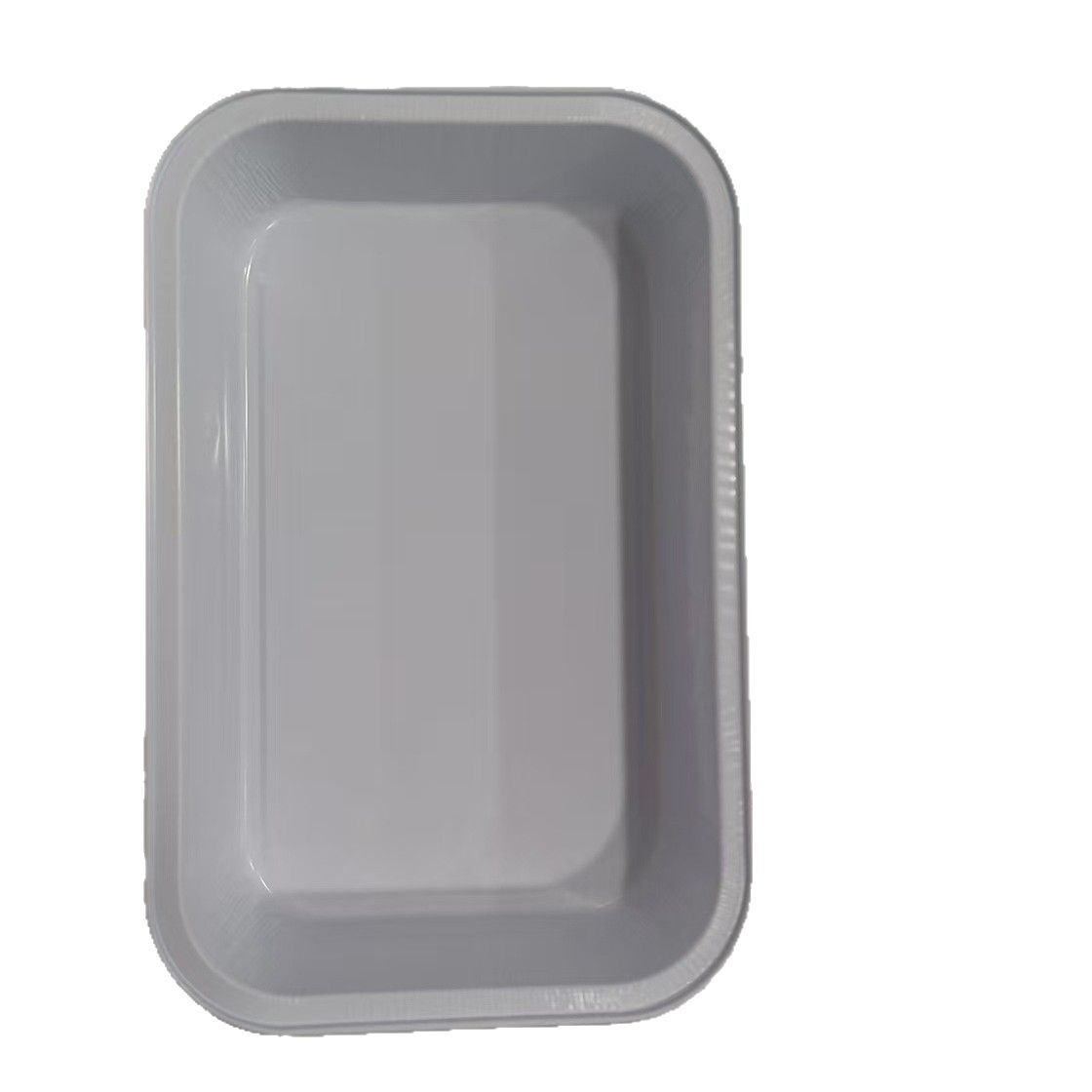
.jpg)
2. Recommended Cleaning and Sanitization Protocols
Safe reuse requires adherence to basic food safety and cleaning protocols, which must be communicated to the end-user.
The Best Cleaning Method (Hand Washing)
Due to the thin nature of the foil, gentle hand washing is recommended. Use warm water, a mild non-abrasive dish soap, and a soft sponge.
Avoid
Avoid using scouring pads, abrasive cleaners, or high-pressure dishwashers, as these can crease the foil, damage the surface, and reduce the integrity of the container.
Drying
AFCs should be thoroughly dried immediately after washing to prevent the formation of aluminum oxide (a harmless but visually unappealing white residue that results from prolonged water exposure). Air drying is generally preferred.
Storage
Store clean, dry AFCs nested in a dry cupboard to prevent moisture exposure.
3. When to Dispose (Recycle)
Consumers must be educated on when the container has reached its end of useful life and should be recycled.
Structural Damage
Dispose of containers that have deep tears, punctures, excessive wrinkling, or permanent deformation. Once the structural integrity is compromised, the risk of leakage or food safety issues increases.
Pitting/Corrosion
Dispose of containers that show clear signs of corrosion, which appear as small, permanent dark spots or pitting, often caused by prolonged contact with high-salt or highly acidic foods.
Recycling Preparation
All used aluminum foil, whether reused or single-use, should be emptied of food residue and then crinkled into a ball the size of a golf ball or larger before being placed in the recycling bin. This prevents the thin foil from being lost during the automated sorting process.
| Stage | Action | Reason / Benefit |
|---|---|---|
| Cleaning | Hand wash with mild soap, soft sponge | Preserves structural integrity; prevents damage |
| Drying | Air dry thoroughly immediately after washing | Prevents aluminum oxide (white residue) formation |
| Storage | Store nested in a dry cupboard | Prevents moisture exposure and deformation |
| Inspection | Check for tears, deep wrinkles, corrosion | Ensures food safety and container usability |
| End-of-Life | Crinkle into a ball > golf ball size, recycle | Ensures efficient sorting and recycling |
In summary, aluminum foil containers are far more versatile than their single-use reputation suggests. With proper care, they can be safely reused multiple times for cooking, storage, and meal prep, extending their lifecycle and reducing overall waste. By providing clear cleaning and disposal guidelines, B2B brands can empower consumers to make the most of this durable, recyclable material—enhancing both environmental impact and customer satisfaction.