


Combatting Condensation: Strategies for Protecting Kraft Paperware Integrity in Cold Chain and Refrigerated Transport
Protecting Kraft Paperware in Refrigerated Supply Chains
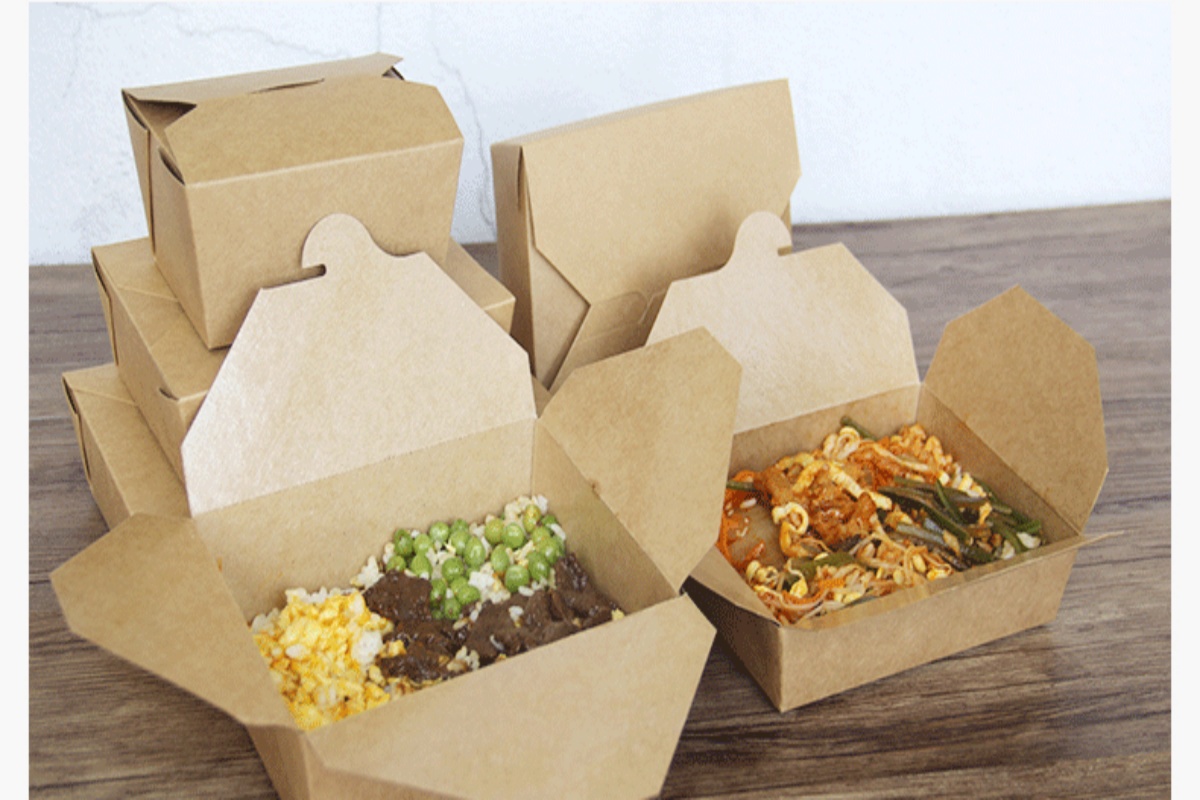
The rise of meal kits and chilled retail items means sustainable Kraft paperware must survive the cold chain—a challenging environment marked by low temperatures and the high risk of condensation. Condensation and moisture absorption can quickly degrade paper's structural integrity, leading to peeling liners and total box failure. Protecting the paper is vital for supply chain reliability.
1. The Technical Threat: Condensation and Fiber Saturation
Condensation occurs when chilled packaging is removed from refrigeration and exposed to warmer, humid ambient air (the "sweating" effect).
Mechanism
The cold surface of the paper container causes moisture in the surrounding air to condense. This surface moisture is then rapidly absorbed by the paper fibers through capillary action.
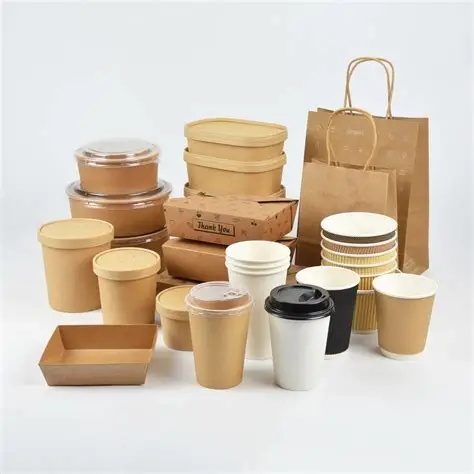
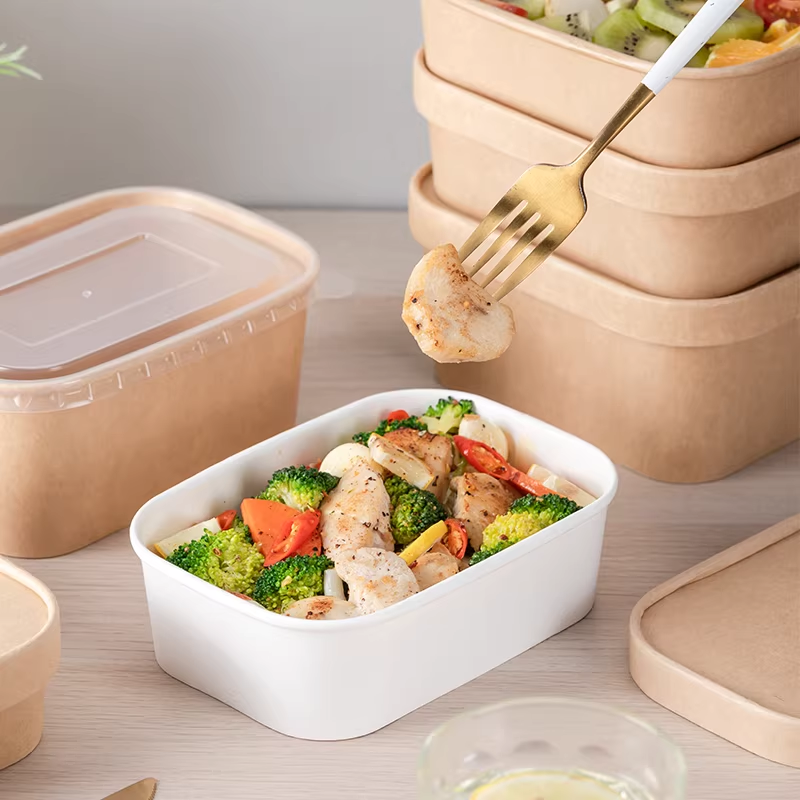
Consequences
Absorption leads to a dramatic drop in the paper's Wet Strength, making the box sag and deform. Excessive moisture can also cause the bio-polymer lining to delaminate (peel away), compromising the barrier protection.
2. Protection Strategies: Specialized Coatings and Packaging
We employ specialized methods to prevent fiber saturation and maintain structural strength.
External Moisture Barrier
Our cold-chain Kraft paperware utilizes a low-permeability external coating designed to repel liquid water droplets and slow down condensation absorption, giving the container time to acclimate.
Wet Strength Resins
The paperboard itself is treated with food-safe Wet Strength Resins during the milling process. These resins increase the hydrogen bonding between fibers, allowing the paper to retain 25% more of its dry strength when wet.
Ventilation and Equilibrium
For large shipments, we advise clients to use ventilated carton designs to promote air exchange and allow the packaging to warm up gradually, minimizing the sudden temperature differential that causes condensation shock.
3. Refrigerated Transport and Storage Protocols
B2B buyers must implement strict receiving procedures to manage condensation risk effectively.
Dock-to-Storage Transfer
Containers should be moved from the refrigerated truck to a cold room or an intermediate acclimation zone (a cool, dry area) as quickly as possible.
Avoid Rapid Temperature Shift
Clients should avoid moving chilled paper packaging directly from a 4°C fridge into a hot, humid kitchen environment, as this guarantees immediate condensation failure.
Handling Recommendation
We advise staff to minimize handling of cold containers immediately after removal from storage, as the heat and moisture from hands can exacerbate condensation and weaken localized areas of the paper.

4. Performance Metrics (Simulated Cold Chain Test)
We validate the cold performance of our paperware through simulated testing.
Test Protocol
Kraft containers were stored at 4°C for 24 hours and then subjected to 27°C air at 80% RH for 30 minutes.
Result
The specialized cold-chain Kraftware maintained >80% of its original stacking strength, confirming its reliability for refrigerated meal kit delivery.
| Protection Feature | Benefit | Performance Impact |
|---|---|---|
| External Moisture Barrier | Repels liquid water, slows absorption | Extends acclimation time, reduces immediate wetting |
| Wet Strength Resins | Enhances fiber bonding when wet | Retains >25% more dry strength under moisture |
| Ventilated Carton Design | Promotes gradual temperature equalization | Minimizes condensation shock during transitions |
| Controlled Handling Protocol | Reduces thermal and manual stress | Prevents localized weakening and delamination |
In summary, protecting Kraft paperware in refrigerated supply chains requires a multi-faceted approach combining material science, smart packaging design, and disciplined handling protocols. By integrating specialized coatings, wet-strength resins, and controlled logistics, B2B operators can ensure that sustainable paper containers maintain their integrity, functionality, and compostability—even under the demanding conditions of the modern cold chain.