


Beyond the Microwave: Identifying Oven-Safe Solutions in Kraft, Aluminum, and Corn Starch Tableware
Oven Safety Across Multi-Material Product Lines
.jpg)
For B2B clients in the prepared meal, bakery, and institutional catering sectors, the ability to safely reheat or even cook food in a conventional oven is a high-value requirement. While most sustainable disposables are limited to ambient or microwave temperatures, the combination of aluminum and specific paperware provides robust, oven-safe solutions. This article clarifies the capabilities and limitations across our three material lines.
1. The Gold Standard: Aluminum Foil Containers (AFCs)
Aluminum is the only material in this portfolio that offers genuine, high-temperature oven capability.
Technical Rationale
Aluminum has an extremely high melting point (over 660°C), making it impervious to the temperatures found in standard commercial or home ovens (typically 180°C to 220°C).
Best Application
AFCs are ideal for baking, roasting, and heating pre-prepared meals, providing a single container solution from preparation to serving. They transfer heat efficiently, ensuring even cooking.
Safety Note
AFCs are generally not recommended for direct use in commercial broilers (grills) due to extreme, localized heat and potential warping.
2. Modified Solution: Oven-Safe Kraft Paperware
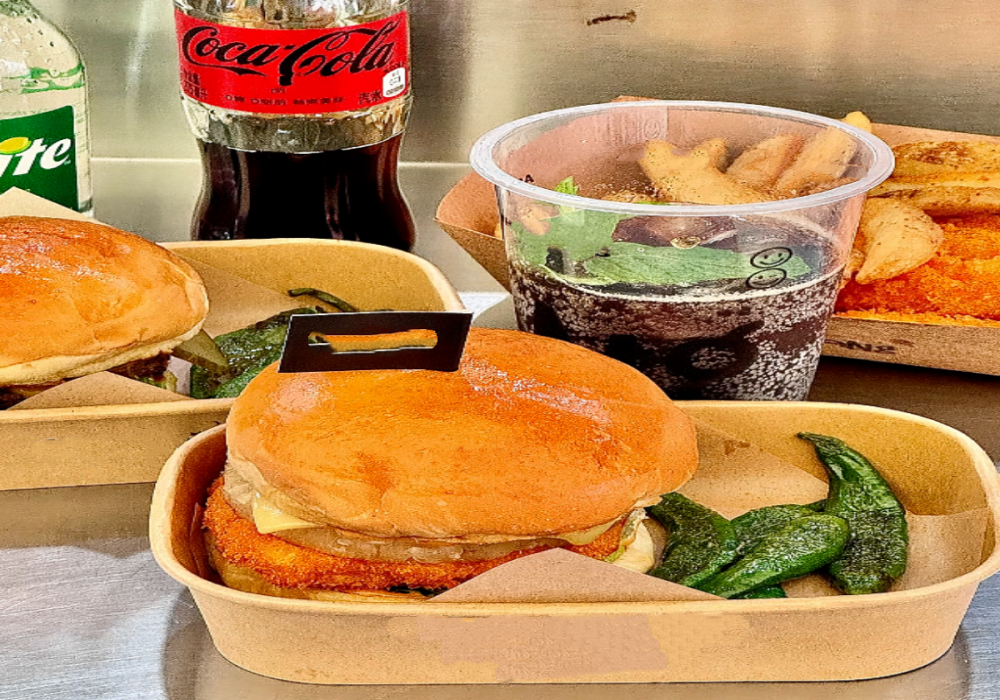
Standard Kraft paper is not oven-safe, as the paper itself will scorch, and the PLA/bio-liner will melt. However, specialized, high-performance paperboard can be used.
Technical Rationale
The oven-safe paper must be a high-density, uncoated or specially coated virgin fiberboard designed to withstand dry heat without ignition or substantial degradation. The coating must be silicone- or fluorochemical-based (if allowed by regulation) or a high-temperature polymer like PBT.
Best Application
This specialized paperware is typically used for bakery items (e.g., cake molds, muffin liners) or serving trays designed for short hold times in warming ovens (up to 160°C).
Limitation
It is not suitable for high-moisture or long-duration cooking applications due to the risk of fiber breakdown.
3. Absolute Limitation: Corn Starch (PLA/CPLA)
PLA and CPLA are definitively not oven-safe and must never be exposed to the high, dry heat of a conventional oven.
Technical Rationale
CPLA’s maximum stable temperature is around 85°C. Oven temperatures (even low settings) will immediately exceed this, causing the material to melt, buckle, and potentially release odors, posing a severe safety and compliance risk.
Client Communication
We emphasize that this is a non-negotiable safety and compliance limitation. Any accidental oven use voids compliance and creates immediate product failure.
4. Clear Labeling and Certification
The safety label is the final line of defense for B2B buyers against misuse.
Aluminum Labeling
AFCs are labeled with clear symbols indicating conventional oven compatibility.
PLA/CPLA Labeling
All bio-plastic products feature a prominent "Do Not Oven/Broiler" safety icon to mitigate liability.
| Material | Oven-Safe? | Max Safe Temperature | Recommended Use |
|---|---|---|---|
| Aluminum Foil | Yes | Up to 220°C | Baking, roasting, reheating |
| Specialized Kraft Paper | Limited | Up to 160°C | Bakery items, short warming |
| Corn Starch (PLA/CPLA) | No | 85°C (max) | Microwave or ambient only |
In summary, selecting the right material for oven applications is critical for safety, performance, and compliance. Aluminum foil containers offer the most robust and versatile solution, while specialized Kraft paper serves specific, limited purposes. Corn starch (PLA/CPLA) products must be strictly kept away from conventional ovens. Clear labeling and informed client communication are essential to prevent misuse and ensure optimal outcomes in professional foodservice settings.