


Masterful Logistics: Managing Disparate Shelf Lives and Storage Conditions for Kraft, Aluminum, and Corn Starch Inventory
Inventory Management for Multi-Material Procurement
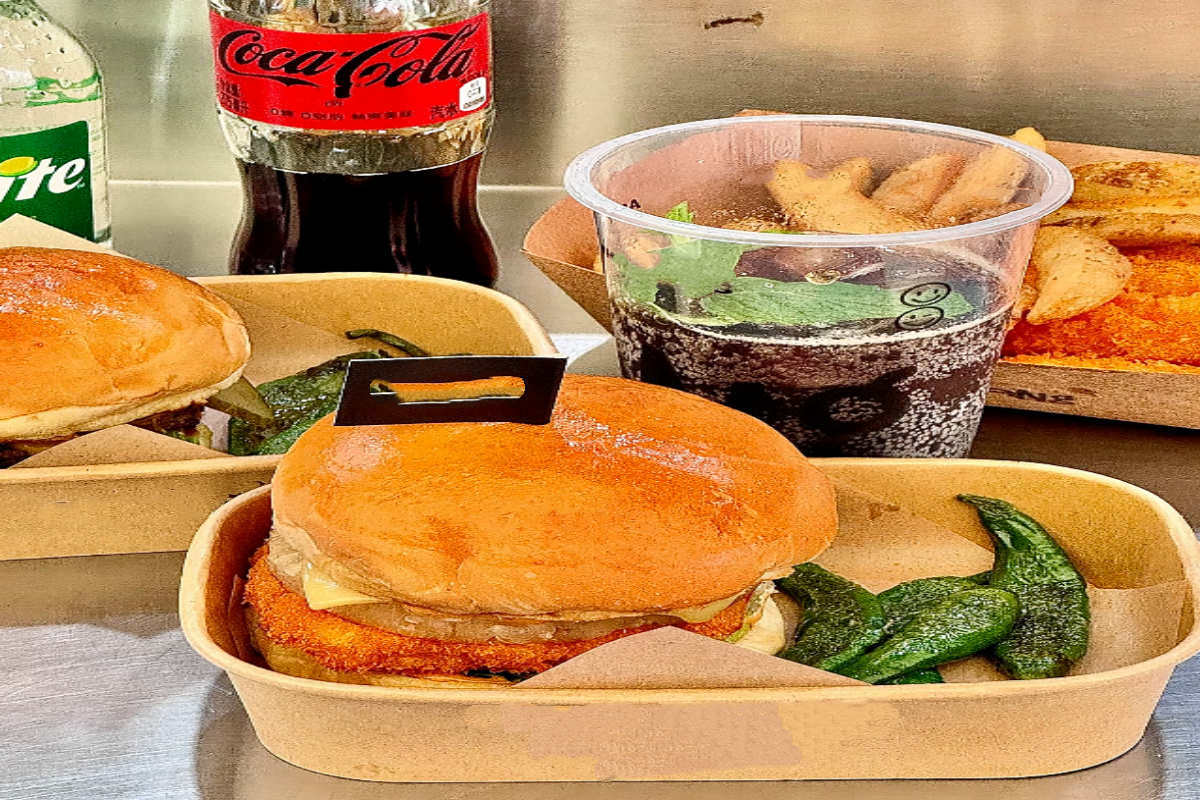
Procuring a diverse portfolio of disposable materials—degradable fiber, infinitely recyclable metal, and bio-polymer—presents significant logistical challenges. Each material demands unique warehousing conditions and has a distinct shelf life, which, if mishandled, can lead to material failure, stock obsolescence, and financial loss. Effective B2B procurement requires a specialized inventory management strategy.
1. Material-Specific Storage Requirements
Optimal storage conditions are dictated by the material's sensitivity to moisture and temperature.
Corn Starch (PLA/CPLA): High Sensitivity
Risk: Highly susceptible to hydrolysis in high-humidity environments (above 60% RH) and thermal degradation in heat (above 30°C).
Storage Mandate: Must be stored in a dry, climate-controlled environment, away from direct sunlight or heat vents. Shelf Life: 24 months.
.jpg)
Kraft Paperware: Moderate Sensitivity
Risk: Moisture (humidity) and temperature fluctuations can weaken the paper structure and compromise the barrier liner adhesion.
Storage Mandate: Requires a dry environment. Should be stored off the floor on pallets and away from external walls to prevent condensation. Shelf Life: 36 months.

Aluminum Foil Containers (AFCs): Low Sensitivity
Risk: Highly stable, but prolonged exposure to moisture can cause aluminum oxide (white dust) to form.
Storage Mandate: Stable ambient conditions are sufficient. Can be stored near floor level if condensation is managed. Shelf Life: Indefinite (provided packaging remains intact).
2. Inventory Management Protocol: FIFO and Turnover
A unified inventory system must prioritize the most sensitive and time-limited materials (PLA/CPLA).
Strict FIFO (First-In, First-Out)
The 24-month shelf life of PLA/CPLA dictates the entire system's priority. All materials must adhere to the FIFO rule to ensure the bio-plastics are consumed within their optimal usage window.
Recommended Turnover Rate
We advise B2B clients to maintain a maximum inventory cycle of 6 to 9 months for PLA/CPLA and 12 months for Kraft paperware, allowing for ample safety stock and transport lead times.
Stock Labeling
All incoming pallets are clearly labeled with the Manufacturing Date and Recommended Use-By Date to assist client warehouse staff in prioritizing rotation.
3. Managing Receiving and Inspection
The receiving process must account for the unique vulnerabilities of each material upon arrival.
Humidity Check
Upon receiving PLA/CPLA shipments, the outer packaging should be checked for signs of water damage or condensation. If high humidity is suspected, product testing should be prioritized.
Damage Inspection
Kraft paperware boxes should be inspected for crushing or puncture damage, which can compromise the structural integrity of the containers and their liners. Aluminum foil should be checked for creases or nesting distortions.
4. Cost and Risk Mitigation
Adhering to these protocols is a direct investment in quality assurance. Failure to manage CPLA humidity, for instance, can lead to widespread product brittleness and failure, resulting in a 100% write-off of that stock. Proper multi-material management minimizes this financial risk.
In conclusion, mastering the logistics of a multi-material inventory requires a disciplined, material-aware approach. By understanding and implementing specific storage conditions, enforcing strict FIFO and turnover practices, conducting diligent receiving inspections, and recognizing the financial stakes, B2B buyers can ensure product integrity, maximize shelf life, and protect their investment across Kraft, aluminum, and corn starch tableware portfolios.