


Closing the Carbon Loop: Utilizing Certified Compostable Packaging to Achieve Client Carbon Neutrality Targets
Strategies for Carbon Reduction, Scope 3 Emissions Management, and Net-Zero Goal Achievement
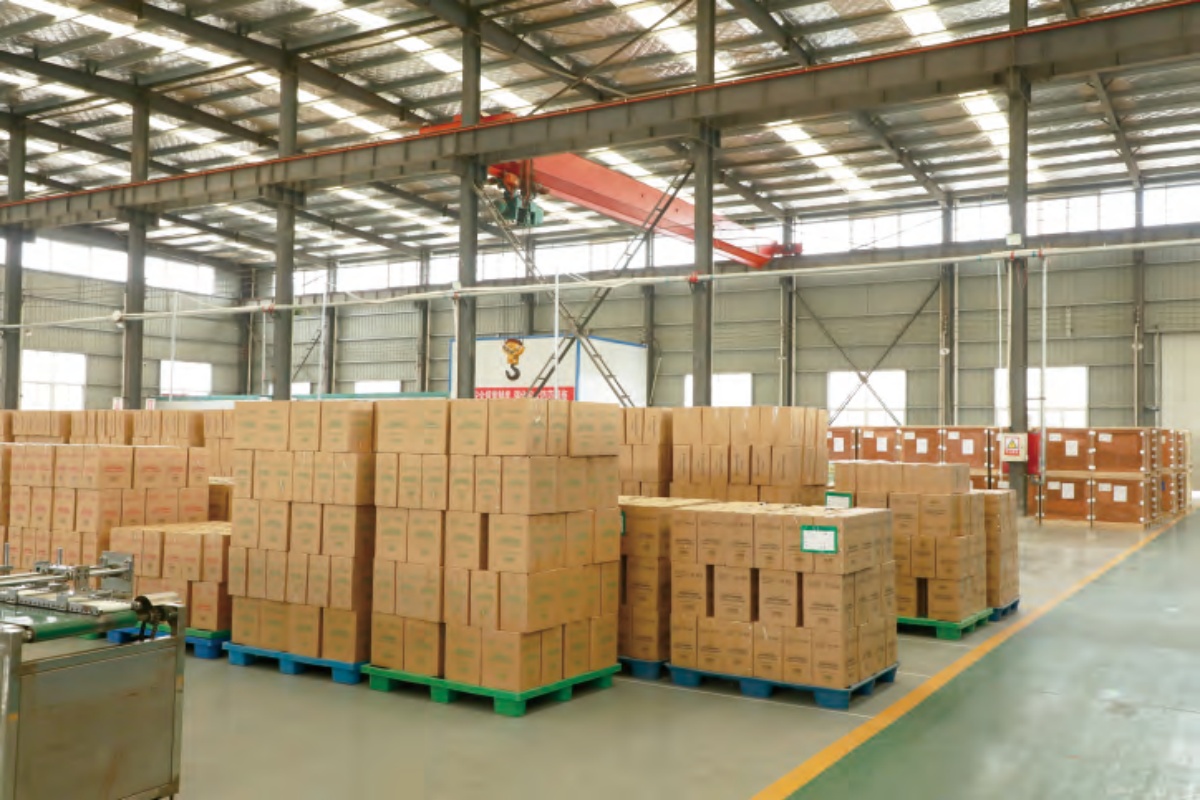
For B2B corporations with public commitments to achieving carbon neutrality or setting ambitious Science-Based Targets (SBTi), procurement decisions are directly scrutinized for their impact on Scope 3 emissions (supply chain). Our sustainable packaging portfolio—particularly bagasse and PLA/CPLA—is not just an alternative to plastic; it is a verifiable tool for reducing clients' reported carbon footprint and supporting their net-zero ambitions.
I. Emissions Reduction through Material Choice
Emissions from purchased goods (Scope 3, Category 1) are a major challenge for large enterprises. Material choice offers a verifiable reduction pathway that directly impacts corporate environmental performance metrics.


1. Life Cycle Assessment (LCA) Data and Verification
We provide third-party verified LCA reports for our sustainable products. These reports compare the total greenhouse gas (GHG) emissions generated from the 'cradle-to-gate' production of our bagasse/PLA products versus conventional PS/PP. This data provides the scientific foundation for informed procurement decisions.
2. Quantifiable Carbon Reduction Impact
Switching to our bio-based bagasse and PLA products results in a verifiable reduction in embodied carbon. This figure (e.g., 20% lower CO₂e per unit) is critical data for clients calculating their Scope 3 reduction achievements and reporting progress toward carbon neutrality goals.
3. Carbon Sequestration Benefits of Bagasse
As a rapidly renewable plant material, sugarcane captures CO₂ during its growth cycle. This biogenic carbon component is tracked and reported, providing a favorable carbon profile compared to materials derived from fossil fuels. This natural carbon sequestration represents a significant advantage in carbon accounting.
II. Carbon Offsetting and Insetting Programs
We assist clients who aim to purchase carbon-neutral products through certified programs that provide additional environmental benefits beyond material selection.
1. Certified Carbon Offsetting Partnerships
We partner with internationally recognized carbon registry organizations (e.g., Verified Carbon Standard, Gold Standard) to purchase high-quality carbon credits that offset the remaining embodied carbon in the product. These credits support verified environmental projects worldwide.
2. Carbon Neutral Product Claims
Product Claim: This allows our B2B clients to purchase a "Carbon Neutral Certified" product, which simplifies their reporting and allows them to make a verifiable, high-impact claim to their own consumers. This certification provides competitive advantage in sustainability-conscious markets.
3. Strategic Insetting Investments
We prioritize Insetting, investing in carbon reduction projects within our own supply chain (e.g., switching to renewable energy at the factory level), which provides a more direct and verifiable link between the purchase and the carbon reduction achievement. This approach creates deeper environmental impact than traditional offsetting.
III. Support for SBTi and Corporate Reporting Frameworks
We ensure our documentation aligns with major corporate reporting frameworks, enabling easy integration of our data into client sustainability reporting and compliance processes.
1. Standardized Data Format and Reporting
Our GHG emission data is provided in the format required by major environmental reporting frameworks, including the GHG Protocol and the CDP (Carbon Disclosure Project). This standardization simplifies data integration and reduces reporting burdens for clients.

2. Independent Verification and Certification
All carbon claims are subjected to independent verification by bodies like TÜV or SGS, lending the necessary authority for publication in client sustainability reports and filings. This third-party validation ensures credibility and reduces audit risks.
3. Strategic Client Partnership Approach
Client Partnership: By proactively providing verifiable, granular carbon data and compliant offsetting options, we transform packaging procurement from a necessary operational cost into a strategic lever for achieving major corporate environmental goals. This partnership approach creates shared value and mutual success.
IV. Carbon Reduction Impact Framework and Business Value
Our comprehensive approach to carbon management delivers measurable benefits across multiple dimensions of corporate environmental performance and business value.
| Carbon Strategy Component | Implementation Approach | Carbon Impact | Business Value |
|---|---|---|---|
| Material Substitution | Switch from PS/PP to Bagasse/PLA | 20%+ CO₂e reduction per unit | Scope 3 emissions reduction, compliance |
| Carbon Offsetting | Certified carbon credit purchase | 100% residual carbon neutralization | Carbon neutral product claims, brand enhancement |
| Supply Chain Insetting | Renewable energy investments | Direct emissions reduction in operations | Stronger supply chain sustainability |
| LCA Data Provision | Third-party verified emissions data | Accurate carbon footprint calculation | Simplified reporting, audit compliance |
| Framework Alignment | GHG Protocol, CDP format data | Standardized emissions accounting | Reduced reporting costs, improved accuracy |
The Strategic Advantage of Carbon-Responsible Procurement
In an era of increasing environmental regulation and stakeholder scrutiny, carbon-responsible procurement provides significant competitive advantages. Our approach enables clients to demonstrate tangible progress toward sustainability goals, enhance brand reputation, mitigate regulatory risks, and create value through improved environmental performance. This strategic perspective transforms sustainable packaging from a compliance requirement into a source of business advantage.
Future Evolution of Carbon Management in Supply Chains
As carbon accounting methodologies evolve and new regulations emerge, the importance of verifiable, science-based carbon reduction will only increase. Future developments may include real-time carbon tracking through blockchain technology, integrated carbon pricing in procurement decisions, and standardized carbon labeling for products. By establishing robust carbon management frameworks today, we prepare our clients for future regulatory requirements and market expectations while creating lasting environmental value.
For B2B partners committed to meaningful carbon reduction and net-zero goals, our comprehensive carbon management approach provides the data, verification, and strategic partnership needed to transform packaging procurement into a powerful tool for environmental leadership. This collaborative approach creates shared value while advancing the critical goal of reducing global carbon emissions through responsible supply chain management.