


Beyond Eco-Friendly: Applying Human Factors Engineering (HFE) for Optimal Aesthetics, Hand-Feel, and Functionality
Designing Sustainable Tableware for Superior End-User Acceptance and Experience
The success of sustainable packaging is ultimately determined by end-user acceptance. If compostable cutlery feels flimsy, rough, or ergonomically unsound, the negative experience reflects on the B2B client's brand. Our design philosophy incorporates Human Factors Engineering (HFE) to ensure that our Bagasse, PLA, and CPLA products not only meet performance metrics but also offer an aesthetically pleasing and functionally superior user experience.
I. Hand-Feel and Material Textures
The tactile quality of sustainable materials is essential for conveying a sense of quality and premium value. Our HFE approach focuses on optimizing texture and ergonomics to create positive sensory experiences.

1. CPLA Cutlery Ergonomics and Texture
CPLA allows for precise molding, enabling us to engineer thicker handles and balanced weight distribution. We apply a fine micro-texturing to the handles to improve grip and reduce the "waxy" or slippery feel often associated with bio-plastics, increasing user confidence when cutting tough food.
2. Bagasse Surface Finish Enhancement
Standard bagasse can feel fibrous and rough. Our premium products undergo a secondary high-pressure pressing or calendering process to create a smoother, more refined surface finish, improving lip-feel for bowls and cups while maintaining moisture barrier integrity.
3. Aesthetic Design Philosophy
We focus on clean, minimalist design lines that align with contemporary European and North American foodservice aesthetics, ensuring the sustainable packaging elevates the food presentation rather than detracting from it. This visual appeal contributes significantly to perceived value and brand enhancement.
II. Functional Design Testing (Usability)
Testing is focused on real-world use scenarios, ensuring the product performs under typical stress conditions encountered in foodservice environments.
1. Cutlery Strength and Performance Testing
We measure the Flexural Modulus (stiffness) of CPLA cutlery to ensure it provides sufficient stiffness for cutting tasks. Our Usability Testing protocols require that our knives must cleanly cut a standard cooked steak or chicken breast without snapping or excessive bending, a key metric for Quick Service Restaurants (QSRs) and catering operations.
2. Container Closure and Seal Integrity
Lid fitment is critical for delivery and temperature retention. We engineer our container rims with precise tolerances (measured in μm) to ensure a secure, leak-proof seal with certified PLA or PET lids, while remaining easy enough for the end-user to open without excessive force. This balance between security and accessibility is a key HFE consideration.
3. Stacking and Stability Engineering
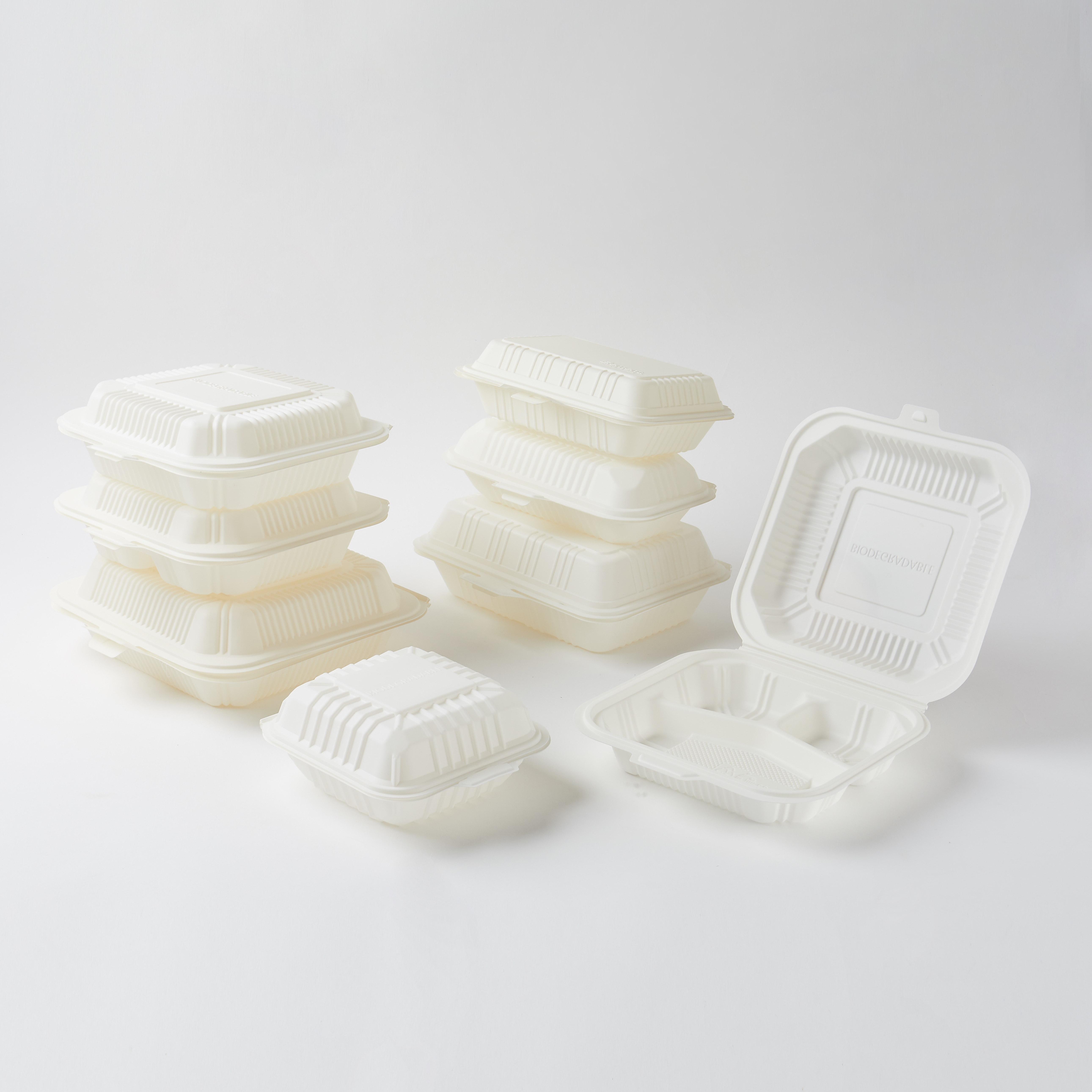
Containers are designed with interlocking base and lid features to ensure secure stacking during transport (e.g., in delivery bags), preventing slippage and spillage. This functional design element addresses practical logistics challenges while enhancing the user experience for both food service staff and end consumers.
III. Material Perception and Branding Impact
The material itself sends a direct message to the consumer about the brand's values and quality standards. Our HFE approach optimizes material presentation to align with brand positioning.
1. PET Clarity for Visual Appeal
The crystal-clear nature of PET (for cold drinks) is leveraged to maximize product visibility and perceived freshness, a psychological factor highly valued by consumers. This visual transparency enhances the dining experience by showcasing the food or beverage contents.
2. Bagasse's "Earthy" Visual Communication
The natural, slightly muted color of bagasse is instantly recognizable as eco-friendly, providing clear visual communication of the brand's sustainability commitment without relying solely on printed text. This authentic material appearance reinforces environmental messaging at the point of use.
3. Shifting Consumer Perceptions
Through HFE, our designs aim to shift the end-user perception of sustainable disposables from "necessary compromise" to "premium functional packaging," driving repeat business and brand loyalty for our B2B clients. This perceptual shift creates competitive advantage in markets where sustainability and user experience are both valued.
IV. HFE Implementation Framework and Benefits
Our systematic approach to Human Factors Engineering creates measurable improvements across multiple dimensions of product performance and user satisfaction.
| HFE Dimension | Design Implementation | User Experience Impact | Business Value |
|---|---|---|---|
| Tactile Quality | Micro-texturing, surface finishing | Enhanced grip, premium feel | Increased perceived value |
| Ergonomics | Balanced weight distribution, handle design | Reduced fatigue, improved control | Higher user satisfaction |
| Visual Design | Clean lines, material transparency | Aesthetic appeal, brand alignment | Enhanced brand perception |
| Functional Performance | Precision tolerances, structural engineering | Reliable performance, ease of use | Reduced complaints, increased loyalty |
| Material Perception | Natural finishes, clear materials | Authentic sustainability signaling | Stronger environmental positioning |
The Competitive Advantage of HFE-Driven Design
In competitive foodservice markets, where sustainability has become table stakes, Human Factors Engineering provides a meaningful differentiator. Products that not only meet environmental standards but also deliver superior user experiences command premium positioning and foster stronger customer relationships. This holistic approach to sustainable design creates products that people prefer to use, not just products they feel obligated to choose for environmental reasons.
Future Directions in Sustainable User Experience
As sustainability continues to evolve from niche concern to mainstream expectation, the integration of HFE principles will become increasingly important. Future innovations may include adaptive materials that respond to user interaction, enhanced sensory feedback systems, and personalized design elements that cater to specific user demographics. By staying at the forefront of both sustainability science and human-centered design, we ensure that our products continue to lead the market in both environmental performance and user satisfaction.
For B2B partners seeking to differentiate their offerings in competitive markets, our HFE-driven approach to sustainable tableware design provides a powerful tool for enhancing brand value, improving customer satisfaction, and driving business growth. This comprehensive design philosophy transforms sustainable packaging from a compliance requirement into a strategic brand asset that delivers tangible business benefits.