


Budget-Friendly Environmental Upgrades: How Buyers Can Adopt Eco Tableware Without Increasing Costs
Practical Strategies for Cost-Effective Sustainability in Food Packaging

For many distributors and restaurant groups, the challenge is not deciding whether to adopt eco-friendly packaging—it is implementing the transition without increasing operating costs. This article outlines practical strategies to introduce bagasse, cornstarch, and rPET products while maintaining or even reducing total procurement expense.
I. SKU Optimization for Cost Reduction
The first step is SKU optimization. Buyers can replace low-usage specialty items with versatile, high-volume SKUs. For example, a single 850 ml bagasse clamshell can replace three separate container sizes for salads, noodles, and combo meals.
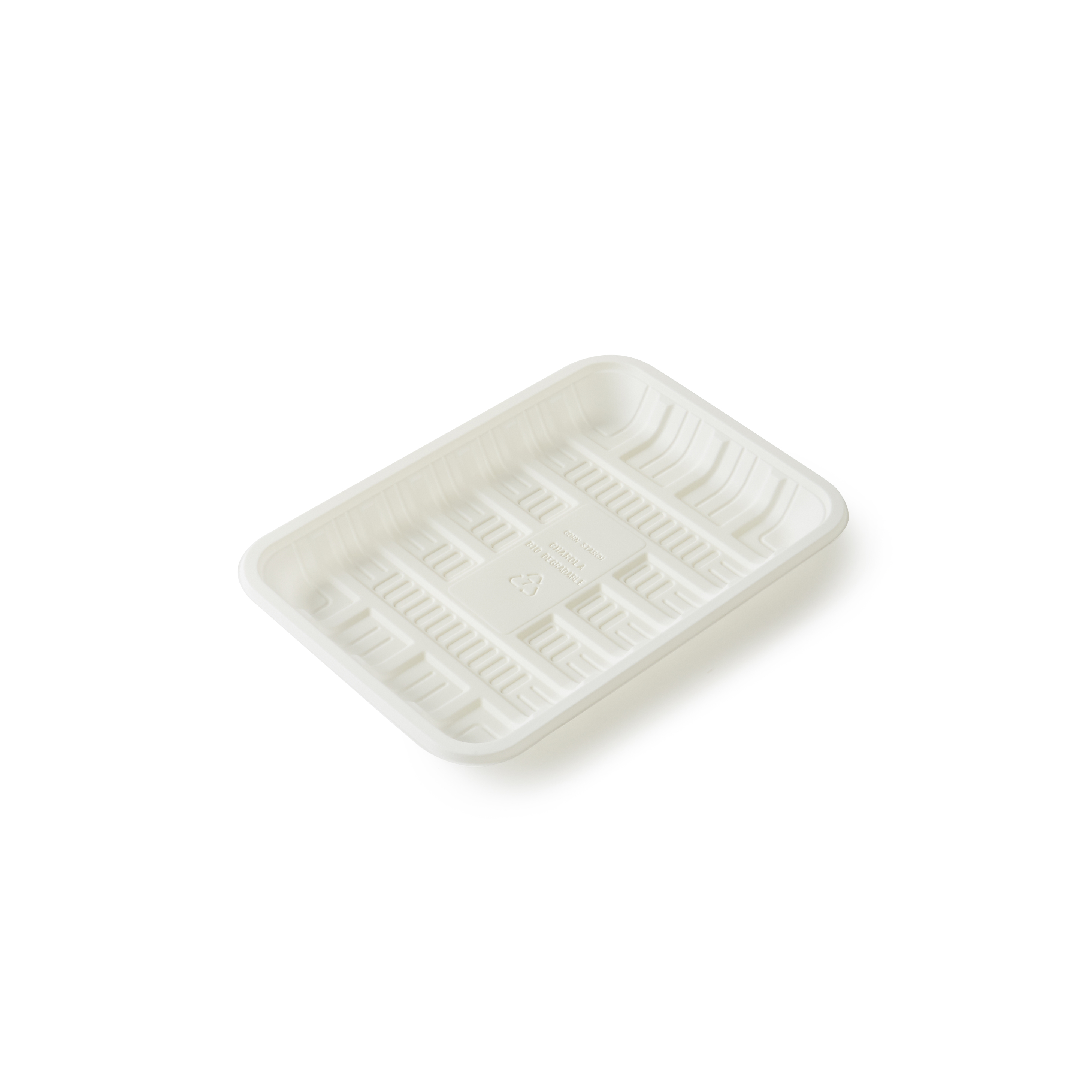

Streamlining 20–30 SKUs into 8–12 high-volume SKUs typically reduces landed cost by 8–15%. This simplification also reduces inventory management complexity and improves supply chain efficiency.
II. Material Substitution Strategies
Choosing the right materials can significantly impact costs while maintaining sustainability.
1. Bagasse vs. Paper-Based Products
Switching from paper-lined disposable products to bagasse also reduces cost. Since bagasse uses agricultural waste, it avoids the rising cost of virgin paper pulp. Many buyers transitioning from PE-coated paper bowls reduce cost by 10-18% while improving heat resistance and sustainability appeal.
2. Hybrid Material Approach
Another budget-friendly approach is selecting bagasse for hot food items and rPET for cold applications. This hybrid strategy balances cost, performance, and sustainability. Bagasse replaces expensive paper-based items, while rPET offers strong clarity and competitive pricing for beverages and salads.
3. Avoiding Custom Mold Costs
Avoiding custom molds also reduces cost. Custom tooling adds USD 5,000–10,000 upfront; buyers using standard molds can enter the market faster and avoid tooling amortization. Many distributors start with standard SKUs and upgrade to custom designs after reaching predictable sales volume.
III. Logistics and Purchasing Efficiency
Strategic purchasing and shipping approaches can further reduce costs.
1. Container Optimization
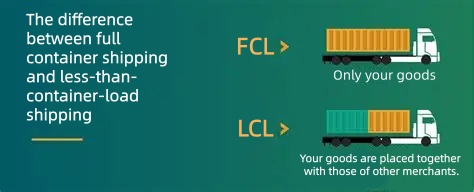
Full-container purchasing is another key strategy. Freight efficiency improves significantly when containers are filled with optimized carton configurations. Factories using high-density stacking reduce freight per unit by 6-12%, especially during high-rate seasons.
For buyers unable to place full-container orders, mixed-container shipping allows cost-effective replenishment without overstock. This approach enables smaller distributors to benefit from optimized logistics without large volume commitments.
2. Direct Manufacturer Relationships
Finally, working directly with manufacturers strengthens pricing stability. Factories can lock in quarterly or semi-annual pricing for buyers placing long-term forecasts. This helps distributors avoid volatility in raw material and freight markets.
IV. Cost Comparison and Savings Potential
Understanding the potential savings helps buyers make informed decisions.
| Strategy | Implementation | Cost Reduction Potential |
|---|---|---|
| SKU Optimization | Reduce from 20-30 to 8-12 SKUs | 8-15% |
| Material Substitution | Switch from paper to bagasse | 10-18% |
| Container Optimization | High-density loading | 6-12% |
| Standard vs Custom Molds | Use standard designs initially | Avoid $5,000-10,000 tooling cost |
| Direct Manufacturer Pricing | Long-term price agreements | 5-10% stability advantage |
With the right SKU structure and purchasing strategy, eco tableware not only matches conventional plastic pricing but can even reduce total supply-chain cost. The key is strategic planning rather than simple product substitution.
Implementation Timeline
Buyers adopting these strategies typically see cost benefits within their first procurement cycle. The most immediate savings come from SKU optimization and material substitution, while logistics efficiencies compound over multiple shipments. By starting with standard products and gradually optimizing the supply chain, businesses can achieve environmental upgrades without increasing their procurement budgets.
Ultimately, smart planning transforms sustainability from a cost center to a value driver. Buyers adopting these approaches not only contribute to environmental goals but also strengthen their competitive position through improved supply chain efficiency and cost management.