


Mixed-Container Shipping for Eco Tableware
How Buyers Can Optimize Freight, MOQ, and Inventory Efficiency

As distributors in the U.S. and Europe expand their range of sustainable tableware, mixed-container shipping has become one of the most practical and cost-efficient procurement strategies. Instead of ordering full containers of a single SKU, buyers can consolidate plates, bowls, clamshells, cups, and cutlery into one shipment. This article explains how mixed-container loading works, what limitations exist, and how to optimize it for maximum supply-chain efficiency.
I. How Mixed-Container Shipping Works
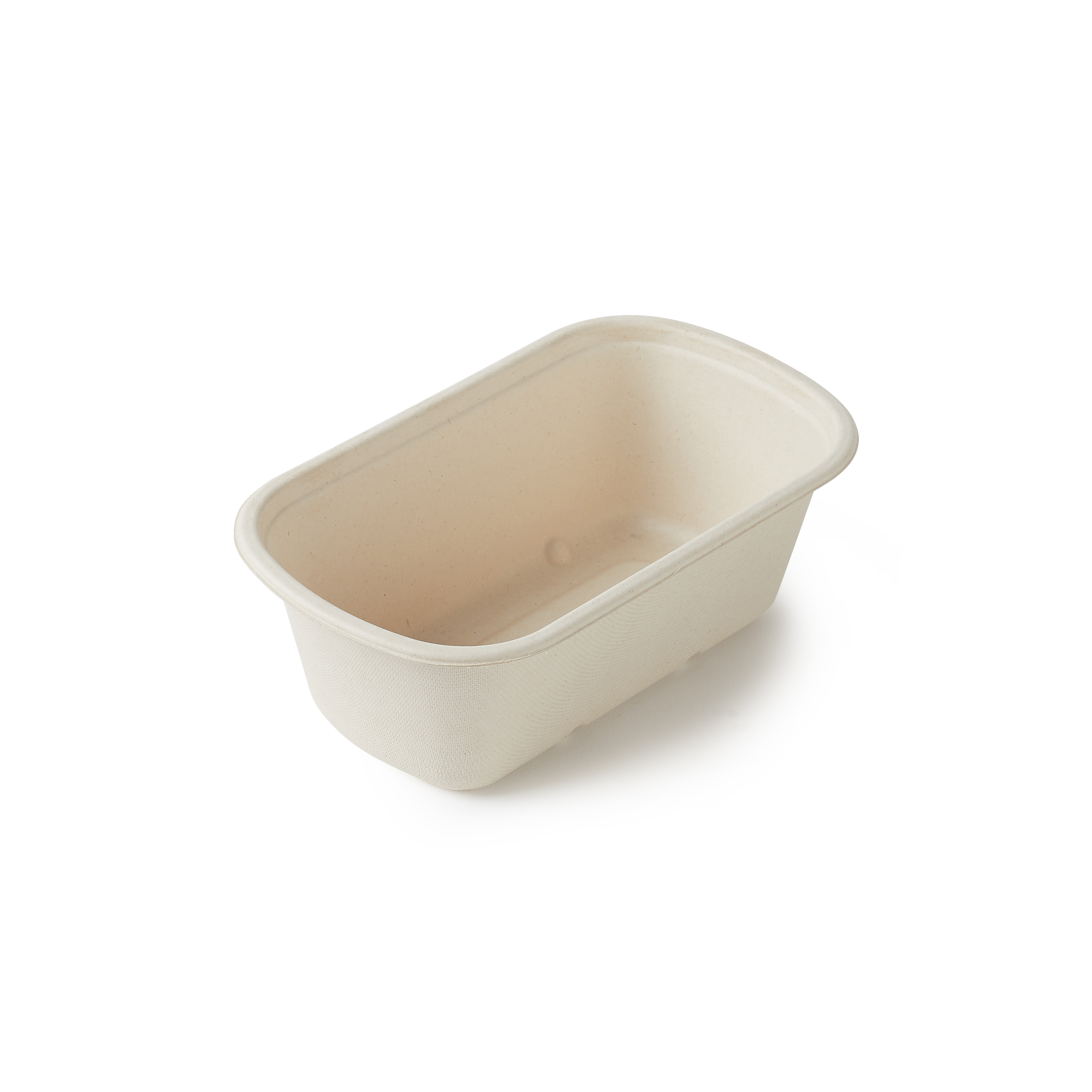
Mixed-container shipping refers to loading multiple SKUs into one 20ft or 40ft container. For eco tableware—especially bagasse, cornstarch, and cutlery—this method allows distributors to balance variety with inventory control. Restaurants, supermarkets, and e-commerce sellers require a broad product selection; mixed loading helps importers meet this requirement without overstocking any single item.
.jpg)
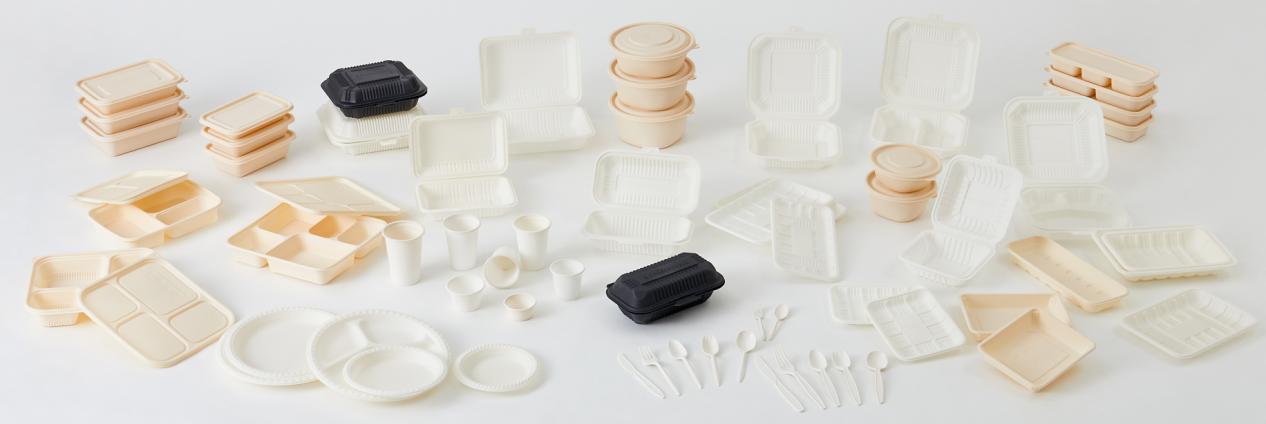
Factories typically allow mixing across the three major product families: bagasse items, cornstarch items, and cutlery. These product types are compatible because they use similar carton sizes and pallet stacking methods. In a 40HQ container, buyers can load 680-760 cartons of bagasse or 800-880 cartons of cutlery, depending on carton dimensions. By combining SKUs, importers can maximize cubic-meter utilization, reducing empty air space and lowering landed cost.
II. Practical Considerations and Limitations
There are, however, practical considerations to ensure a smooth mixed-container shipping process.
1. Minimum Order Quantity (MOQ) Requirements
Factories usually set a minimum of 100-300 cartons per SKU to maintain production efficiency. For custom-logo or embossed items, the MOQ rises because mold-change operations require batching. Standard, non-custom SKUs offer the highest flexibility for mixed containers.
2. Lead Time Management
Lead time management is another key factor. Each product type may follow a different production schedule:
- Bagasse molding: 25–35 days
- Cornstarch molding: 20–30 days
- Cutlery injection: 18–25 days
When combining multiple SKUs, the overall lead time equals the slowest production cycle. Buyers planning seasonal sales, supermarket promotions, or annual supply contracts should align production timelines with forecasted demand.
3. Inventory and Storage Efficiency
Mixed-container strategies also reduce storage burdens. For example, a distributor serving 300+ restaurant clients may require 25 different SKUs but only need 5-20 cartons of each per month. Mixed loading enables stable replenishment without tying up capital in overstock.

III. Strategic Benefits for Distributors
Why should distributors consider mixed-container shipping? Here are the key strategic advantages.
1. Risk Diversification and Regulatory Flexibility
Another important benefit is risk diversification. Regulatory environments in many Western markets are shifting rapidly—such as bans on EPS foam, PFAS restrictions, and plastic taxation. Importers combining bagasse and cornstarch products in the same shipment maintain flexibility to adapt their portfolio without committing to a full-container quantity of a single material.
Mixed-container shipping also allows distributors to test new products with lower volume commitments, reducing the financial risk associated with introducing new SKUs to the market.
2. Packaging and Freight Cost Optimization
Buyers should also consider packaging optimization. Professional manufacturers provide high-density carton arrangements that increase container utilization by 6-12%, directly reducing freight cost per unit. This is especially valuable during periods of elevated sea-freight rates.
3. Meeting Diverse Customer Demand
With mixed-container loading, distributors can offer a comprehensive catalog—from clamshells and bowls to cutlery—without maintaining excessive inventory. This capability is crucial for serving clients like catering companies, office suppliers, and green retailers who need one-stop solutions.
IV. Implementing a Mixed-Container Strategy
Successful implementation requires planning and coordination with your supplier.
| Step | Action | Outcome |
|---|---|---|
| 1 | Analyze demand across SKUs | Identify optimal product mix |
| 2 | Confirm MOQs and lead times | Set realistic production schedule |
| 3 | Optimize carton packing plan | Maximize container utilization |
| 4 | Align shipment with sales cycle | Reduce inventory holding time |
In short, mixed-container loading is an essential strategy for global distributors seeking efficiency, flexibility, and cost control in eco tableware procurement. With proper SKU planning and realistic MOQs, buyers can scale product diversity without inflating their inventory cost.