


Bagasse vs. Cornstarch Tableware: Which Material Performs Better for Heat Resistance and Real-World Foodservice Use?
A Detailed Comparison Based on Manufacturing Data and Real-World Performance Standards
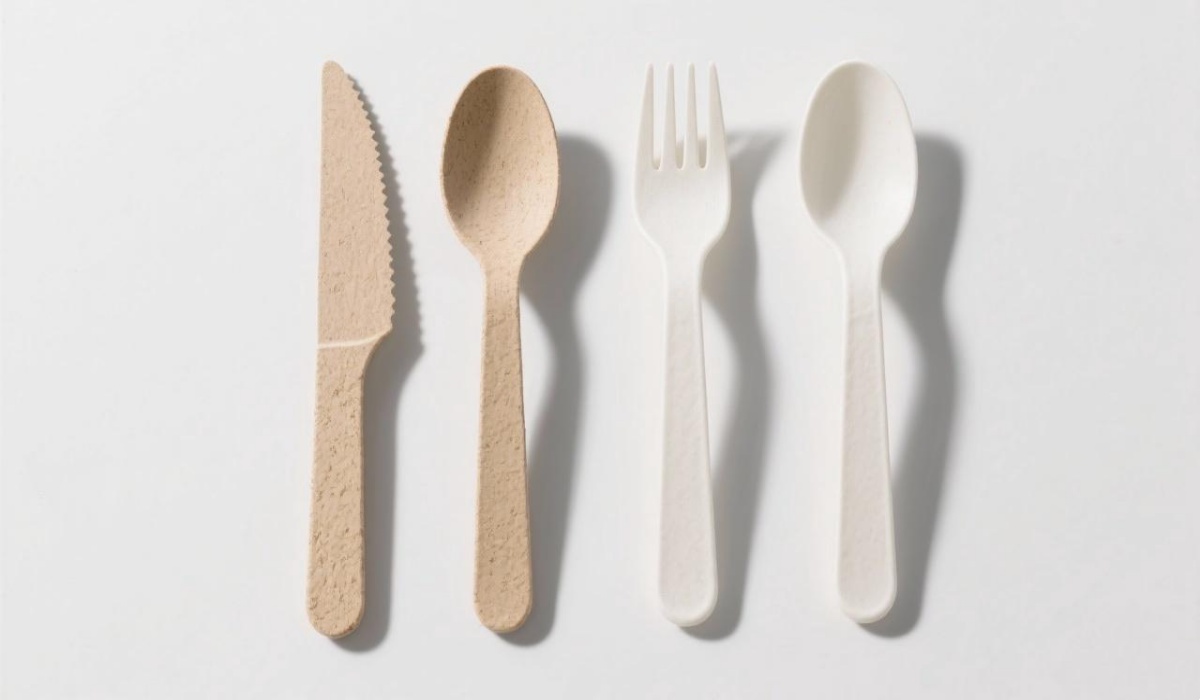
As foodservice operators across Europe and North America move away from petroleum-based plastics, bagasse and cornstarch tableware have become two of the most frequently compared alternatives. Buyers often ask which material performs better for hot foods, oily dishes, microwaving, and overall durability. This article provides a detailed comparison based on manufacturing data, real-world usage tests, and performance standards.
1. Heat Resistance: The Temperature Threshold Test
Understanding the thermal limits of each material is crucial for selecting the right product for your specific foodservice needs.
Bagasse: Natural High-Heat Resistance
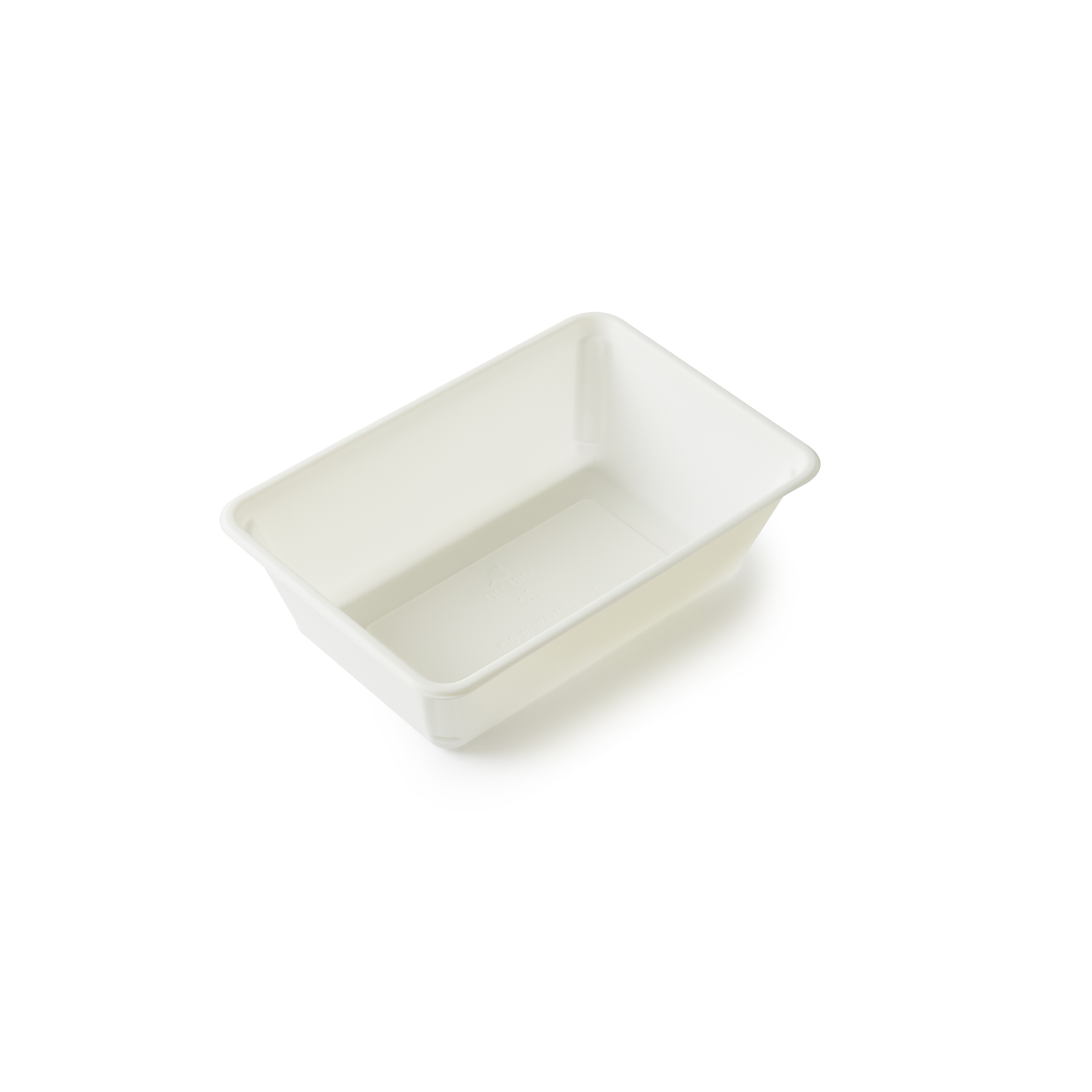
Bagasse, made from sugarcane fiber, is a naturally heat-resistant material. Its structure consists of dense cellulose fibers that can withstand temperatures between 120°C and 220°C, depending on product thickness and molding process. This makes bagasse suitable for high-heat applications such as hot soup, deep-fried foods, curries, and microwaving.
Cornstarch Tableware: Reliable Mid-Range Performance
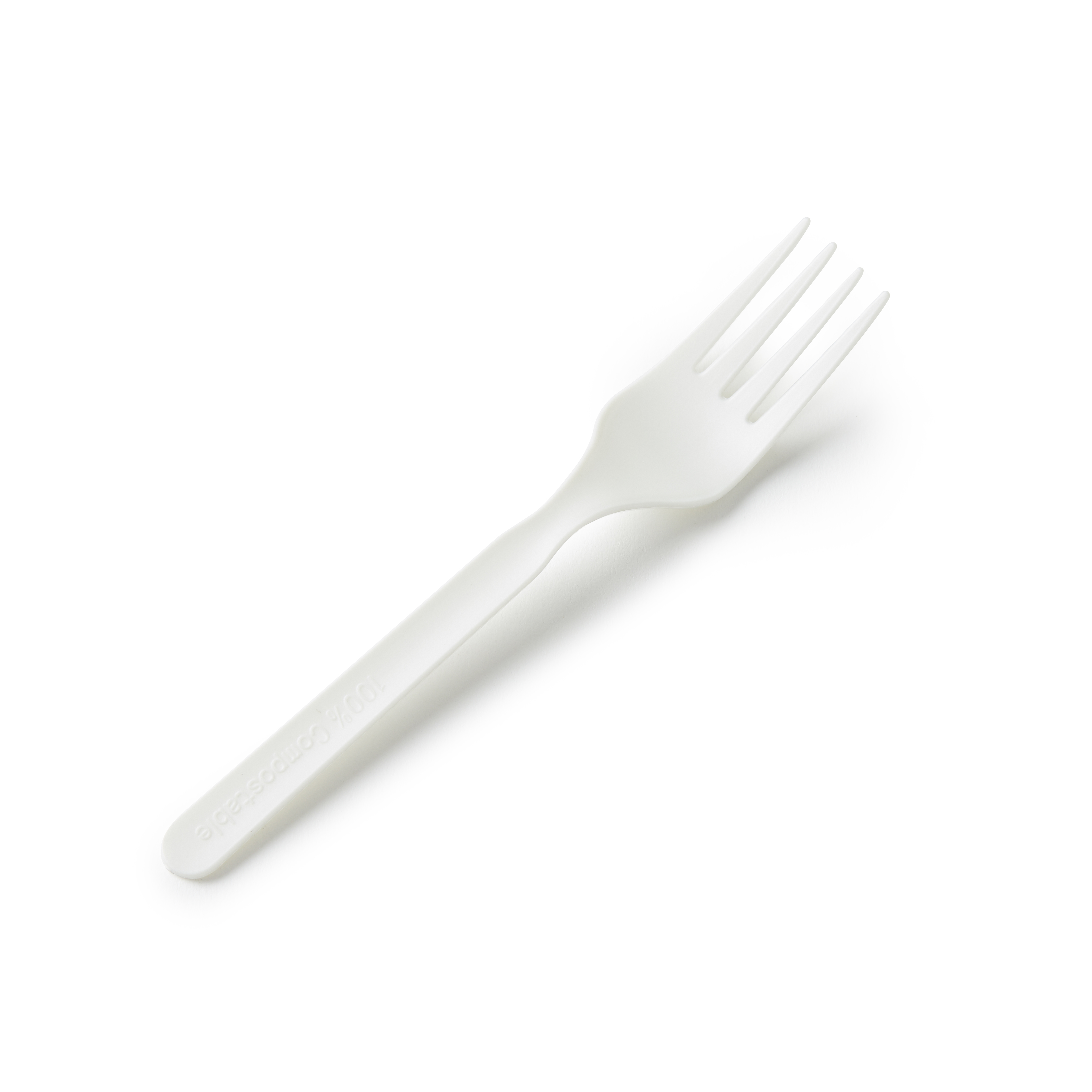
Cornstarch tableware (often referred to as CPLA or modified-starch products) offers reliable performance but typically reaches a heat limit of 100-120°C. While adequate for many foodservice scenarios, it may soften slightly when exposed to boiling liquids for prolonged periods.
2. Structural Integrity and Durability Tests
Factory stress tests provide more clarity on how each material performs under real-world conditions.
| Test Parameter | Bagasse Performance | Cornstarch Performance | Significance for Foodservice |
|---|---|---|---|
| 95°C Hot Water Test (30 min) | < 3% deformation | 5-7% deformation | Bagasse maintains better shape integrity for hot soups and steaming entrées |
| Microwave Stability (Full Power) | Up to 5 minutes | 2-3 minutes | Bagasse is more suitable for meal-prep and reheating applications |
| 120°C Hot Oil Resistance (20 min) | No penetration | Limited resistance | Bagasse excels with fried foods, stir-fry dishes, and oily cuisines |
In a standard 95°C hot water test (30 minutes), bagasse plates and bowls maintain structural integrity with less than 3% deformation, meeting EN13432 and FDA requirements. Cornstarch cutlery and bowls show good performance but may reach 5-7% deformation, depending on formulation. This difference is significant for operators serving hot soups or steaming entrées.
3. Microwave Performance and Oil Resistance
Two critical factors for modern foodservice operations are microwave compatibility and resistance to oily foods.
Microwave Suitability
In microwave simulations, bagasse products heat evenly and remain stable for up to 5 minutes at full power, making them ideal for meal-prep companies, delivery brands, and central kitchens. Cornstarch items generally withstand shorter microwave exposure—typically 2-3 minutes—because extended heating accelerates softening.
Oil Resistance Performance
When it comes to oil resistance, bagasse shows strong performance thanks to its fiber density. Laboratory tests demonstrate that 120°C hot oil does not penetrate bagasse within a 20-minute exposure. This gives it an advantage in applications like fried chicken, noodles, stir-fry dishes, and fast-casual restaurants. Cornstarch performs well with regular food oils but is less suited for deep-frying environments.
4. Strategic Selection: Matching Material to Application
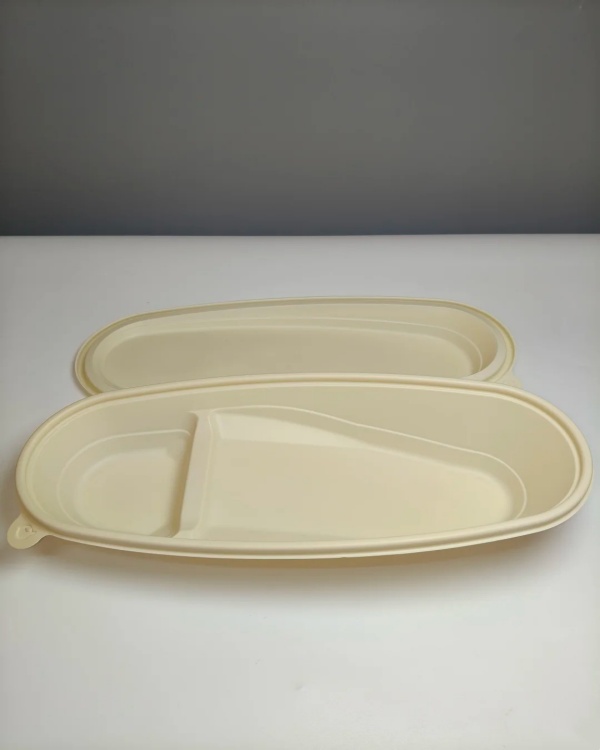
So which material should buyers choose? The answer depends on your specific foodservice needs and operational requirements.
| Application Scenario | Recommended Material | Primary Reason | Ideal Use Cases |
|---|---|---|---|
| Hot Soups & Stews | Bagasse | Superior heat retention and structural stability | Soup kitchens, catering, Asian restaurants |
| Fried & Oily Foods | Bagasse | Excellent oil resistance without penetration | Fast food, fried chicken, noodle shops |
| Microwave Reheating | Bagasse | Longer microwave stability (up to 5 minutes) | Meal-prep services, delivery, institutional catering |
| Cutlery & Utensils | Cornstarch (CPLA) | Rigidity, clean appearance, comfortable grip | QSR chains, catering events, take-out services |
| Cold & Room Temp Foods | Cornstarch | Cost-effective, good appearance, sufficient durability | Salads, desserts, sandwiches, snack packaging |
For restaurants, canteens, delivery services, and hot-food operators, bagasse offers the strongest durability and heat tolerance. Cornstarch shines in categories such as cutlery, where its rigidity and clean appearance provide an excellent eating experience. Many distributors offer both: bagasse for plates/containers and cornstarch for utensils.
5. Conclusion: Strategic Material Selection for Optimal Performance
In summary, both materials are environmentally friendly, but for high-heat and heavy-duty foodservice demands, bagasse generally delivers superior technical performance. Buyers serving markets with strict expectations—especially in the U.S., Scandinavia, Germany, and the U.K.—will find bagasse the more reliable option for everyday operations.
The choice between bagasse and cornstarch ultimately depends on your specific operational needs. For maximum heat resistance, oil barrier protection, and microwave stability, bagasse is the clear winner. For cost-effective solutions where extreme heat isn't a factor, cornstarch provides excellent value. Many successful foodservice operations strategically use both materials to optimize performance and cost-efficiency across different applications.