


Meeting Global Compliance: What Certifications Can Eco-Tableware Factories Provide?
Essential Documentation for International Market Access and Supply Chain Audits
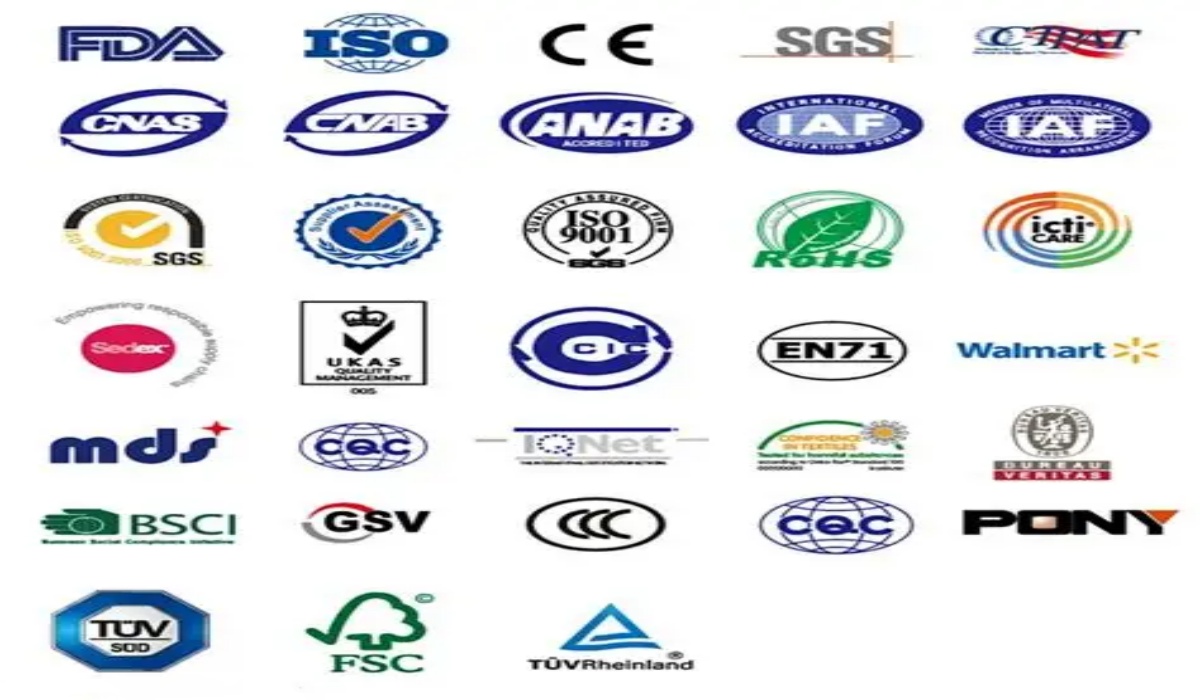
International purchasers of disposable food packaging face increasing scrutiny from retailers, governments, and consumers regarding material safety and environmental impact. Whether importing into the United States, the European Union, or environmentally regulated regions such as Canada and Australia, compliance documentation has become essential for customs clearance and supply-chain audits. This article explains which certifications professional manufacturers can provide—and why they matter.
1. Food Contact Safety Certifications: The Foundation of Market Access
The first category is food-contact safety certification, which ensures the product does not release harmful chemicals when exposed to food.

.jpg)
United States Market: FDA 21 CFR Compliance
For the U.S. market, FDA 21 CFR compliance is mandatory for food packaging. It verifies that raw materials and manufacturing processes meet safety requirements for direct food contact. This certification is non-negotiable for customs clearance and retail acceptance in the United States.
European Markets: LFGB and EU 10/2011 Standards
For European countries, LFGB and EU 10/2011 are strict standards evaluating chemical migration, heavy metals, and plastic component safety. These regulations are essential for import into EU member states and ensure products meet the rigorous safety expectations of European consumers and retailers.
A reliable factory should be able to supply both certificates upon request, ideally supported by batch-specific test reports. Some distributors prefer to test samples independently, and reputable factories welcome third-party verification.
2. Environmental and Compostability Certifications
The second category is compostability and environmental certification. Products made from bagasse, cornstarch, PLA, and similar materials can be certified by recognized organizations.
Key International Compostability Standards
- BPI (Biodegradable Products Institute): The primary certification for the U.S. and Canadian markets, verifying compliance with ASTM D6400/D6868 standards.
- OK Compost INDUSTRIAL (TÜV Austria): Essential for European importers, confirming compliance with EN 13432 standards for industrial composting.
- EN 13432: The European standard that evaluates decomposition rates, eco-toxicity, and complete disintegration under composting conditions.
European importers especially rely on OK Compost because it aligns with regional waste-management frameworks and consumer labeling requirements. U.S. distributors, on the other hand, depend heavily on the BPI mark to meet procurement standards from schools, government programs, and corporate sustainability initiatives.

3. Logistics and Customs Documentation
In addition to product-specific certifications, global buyers often require logistical and customs documentation. These include:
| Document | Purpose | Importance |
|---|---|---|
| Certificate of Origin | Verifies the country where goods were manufactured | Essential for customs clearance and tariff determination |
| Form A (GSP Certificate) | Claims preferential tariff treatment under Generalized System of Preferences | Reduces import duties for eligible countries |
| MSDS (Material Safety Data Sheet) | Provides safety information for hazardous materials during transport | Required for shipping certain chemical components |
| COA (Certificate of Analysis) | Confirms raw material quality and specifications | Verifies product meets agreed technical standards |
Having these documents ready enables faster customs clearance, especially for high-volume shipments or regions with strict anti-dumping measures. A well-organized manufacturer typically keeps updated documentation for each SKU and provides re-tests when regulations change, ensuring continuous compliance. This structure supports distributors working with large retailers or government tenders that periodically require renewed documents.
4. Certification as a Marker of Manufacturing Excellence
Understanding and providing certification isn't simply an administrative task; it reflects a manufacturer's maturity, quality systems, and long-term export experience. For importers aiming to reduce risk, selecting a factory with a full certification system significantly improves supply-chain reliability.
A comprehensive certification portfolio demonstrates a manufacturer's commitment to quality, safety, and environmental responsibility. It provides importers with the confidence that products will meet regulatory requirements, satisfy customer expectations, and navigate complex international trade regulations successfully.
When evaluating potential suppliers, request their current certification portfolio and verify the validity dates. Professional manufacturers maintain transparent documentation processes and can provide samples with corresponding test reports. This due diligence protects your business from compliance issues, customs delays, and potential liability while enhancing your brand's reputation for quality and responsibility in the global marketplace.