


Are Bagasse Tableware Products Truly Biodegradable?
A Complete Technical Insight for Global Buyers

Biodegradable packaging has rapidly become a procurement priority for distributors, foodservice chains, and retailers across Europe and the United States. Among the many sustainable materials now available, bagasse—fiber extracted from sugarcane waste—has emerged as one of the most trusted options for disposable plates, bowls, take-out boxes, and trays. For buyers transitioning away from petroleum-based plastics, one of the most common questions is: Is bagasse truly biodegradable, and how long does it take to break down?
This article provides an in-depth explanation based on factory-level testing, global certifications, and real-world performance.
1. Understanding Bagasse Composition and Manufacturing
.jpg)
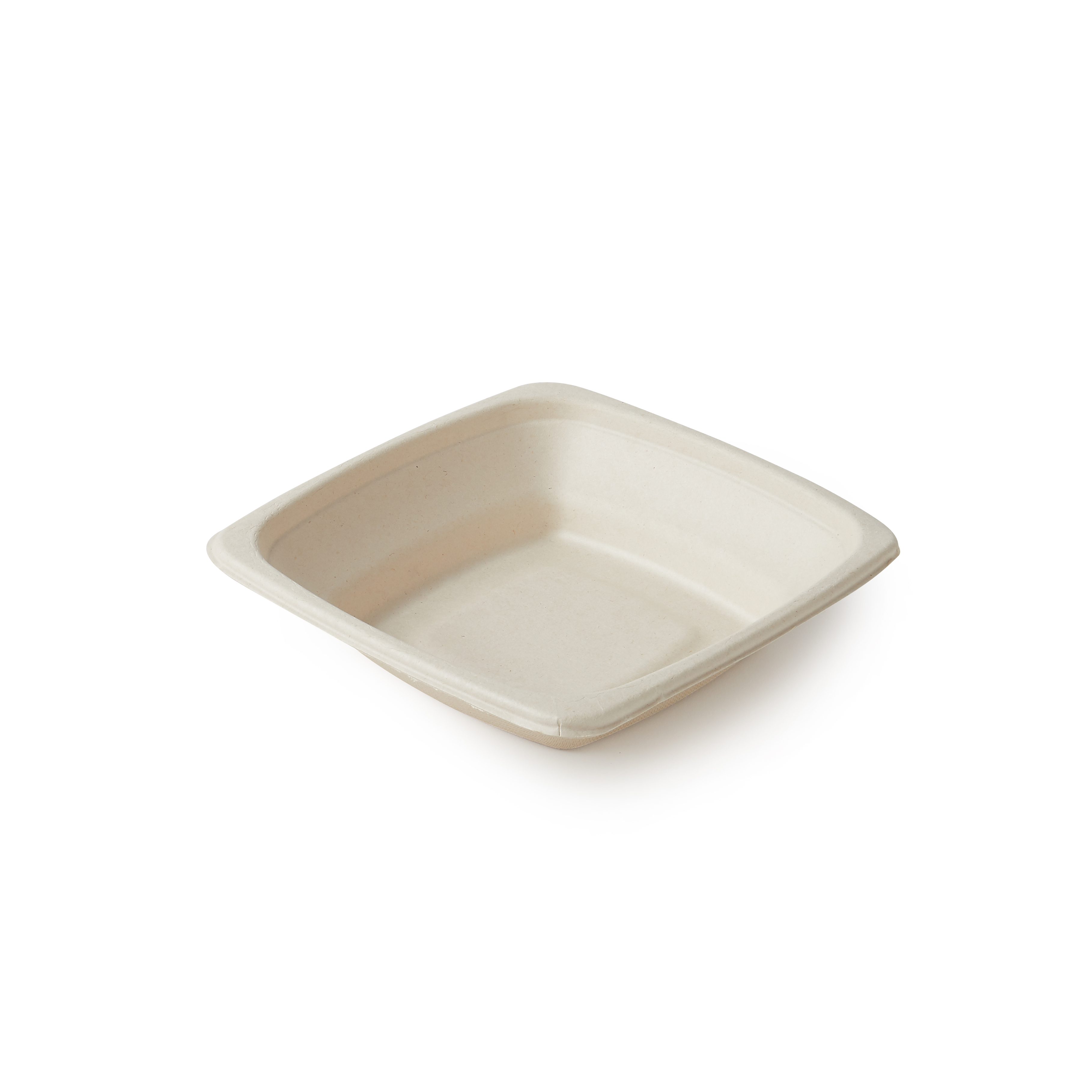
Bagasse tableware is produced through a wet-press molding process. This method uses raw sugarcane pulp fibers with no added plastic coating or lamination, making the final products inherently compostable. Because the fibers originate entirely from plant biomass, microorganisms can break them down efficiently in composting environments.
2. Certified Biodegradability: Industrial Composting Standards
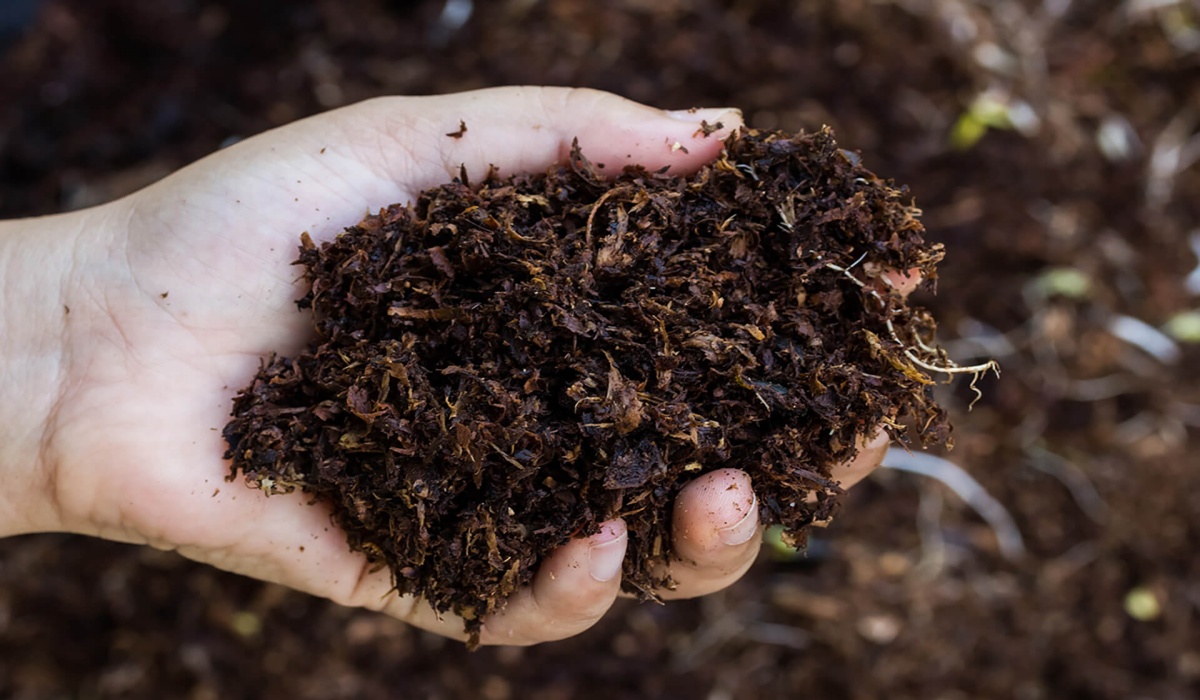
In controlled industrial composting systems, the decomposition rate meets international eco-standards. Tests show that bagasse products reach a biodegradation level of 95% within 45-90 days, satisfying requirements of EN13432, BPI, and OK Compost Industrial.
These certifications evaluate not only degradation speed but also heavy-metal residue, toxicity to soil organisms, and particle disintegration. A product that passes them can be considered "truly biodegradable."
3. Real-World Degradation: Industrial vs. Natural Environments
However, real-world scenarios vary. In non-industrial conditions—such as backyard compost piles or natural environments—the breakdown process is slower, usually requiring 120-180 days depending on temperature, humidity, and microbial activity. Buyers supplying retail chains or environmentally regulated regions often need to understand both industrial and natural cycles to meet consumer or policy expectations.
| Environment | Typical Breakdown Time | Key Factors |
|---|---|---|
| Industrial Composting | 45-90 days | Controlled temperature, humidity, microbial activity |
| Home/Backyard Composting | 120-180 days | Variable temperature, moisture, microbial diversity |
| Natural Soil Environment | 4 months | Seasonal conditions, soil composition, microbial presence |
4. Functional Performance: Heat Resistance and Structural Integrity
Besides biodegradability performance, bagasse has strong functional properties that make it competitive with traditional plastics. For example, heat resistance reaches 120-220°C, allowing safe use with hot foods, microwaves, and oily dishes. This ability to withstand heat is especially valued by foodservice operators, meal-prep companies, and central kitchens. Bagasse does not deform, melt, or release harmful chemicals under thermal stress.
Laboratory simulations also demonstrate consistent structural reliability. When filled with 95°C hot water for 30 minutes, bagasse bowls remain intact without softening or leakage. This resilience makes them suitable for soups, curries, fried foods, and sauces—foods that polystyrene or low-grade paper bowls cannot safely hold.
5. Sustainability and Regulatory Compliance
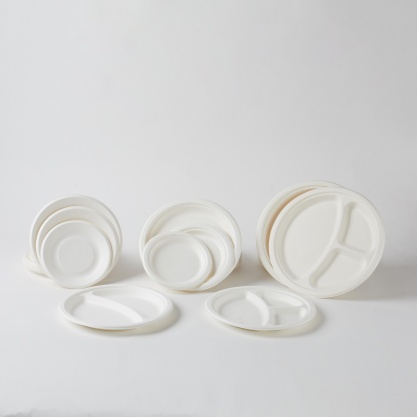
Sustainability is another reason international buyers prefer bagasse. As a by-product of sugarcane processing, it utilizes agricultural waste rather than new forest resources, reducing environmental impact. Each metric ton of sugarcane harvested produces approximately 270 kg of bagasse fiber, creating a continuous renewable supply chain for tableware manufacturers.
From a regulatory standpoint, the material aligns well with changing requirements in many countries. Regions such as California, New York, France, and several Nordic countries have implemented strict bans on petroleum-based single-use plastics, accelerating demand for natural fiber alternatives. Bagasse provides distributors with a compliant, scalable solution for supplying environmentally sensitive markets.
6. Conclusion: A Future-Proof Sustainable Solution
To summarize, bagasse tableware is authentically biodegradable and compostable when manufactured without plastic additives. Industrial composting achieves full breakdown within three months, and natural settings require several months longer. Combined with its heat resistance, strength, and low environmental footprint, bagasse stands out as a reliable and regulatory-friendly choice for foodservice businesses worldwide.
For buyers aiming to balance sustainability, performance, and cost efficiency, bagasse remains one of the most future-proof materials available. Its plant-based origin, certified biodegradability, and practical durability make it an ideal replacement for traditional plastics in the global shift toward circular economy principles.