


Optimized Application - Selecting the Right Sustainable Material for Cold vs. Hot Food Service
Temperature Targeting: A Performance Guide to Matching Bagasse, PLA, and PET with Optimal Cold and Hot Food Applications

Successful foodservice operations require disposables that perform flawlessly at their intended serving temperature. Using the wrong material—a PLA cup for hot coffee, or low-density bagasse for ice cream—leads to product failure, customer complaints, and material waste. Our product portfolio is strategically segmented based on material science to provide reliable solutions for the entire temperature spectrum, from chilled transport to piping hot delivery. This guide provides B2B buyers with the technical parameters for optimal product selection.
1. Cold Food Service (Temperatures below 50°C): Visibility and Stability
Cold food applications prioritize transparency, moisture resistance, and maintaining structural integrity in refrigerated environments.
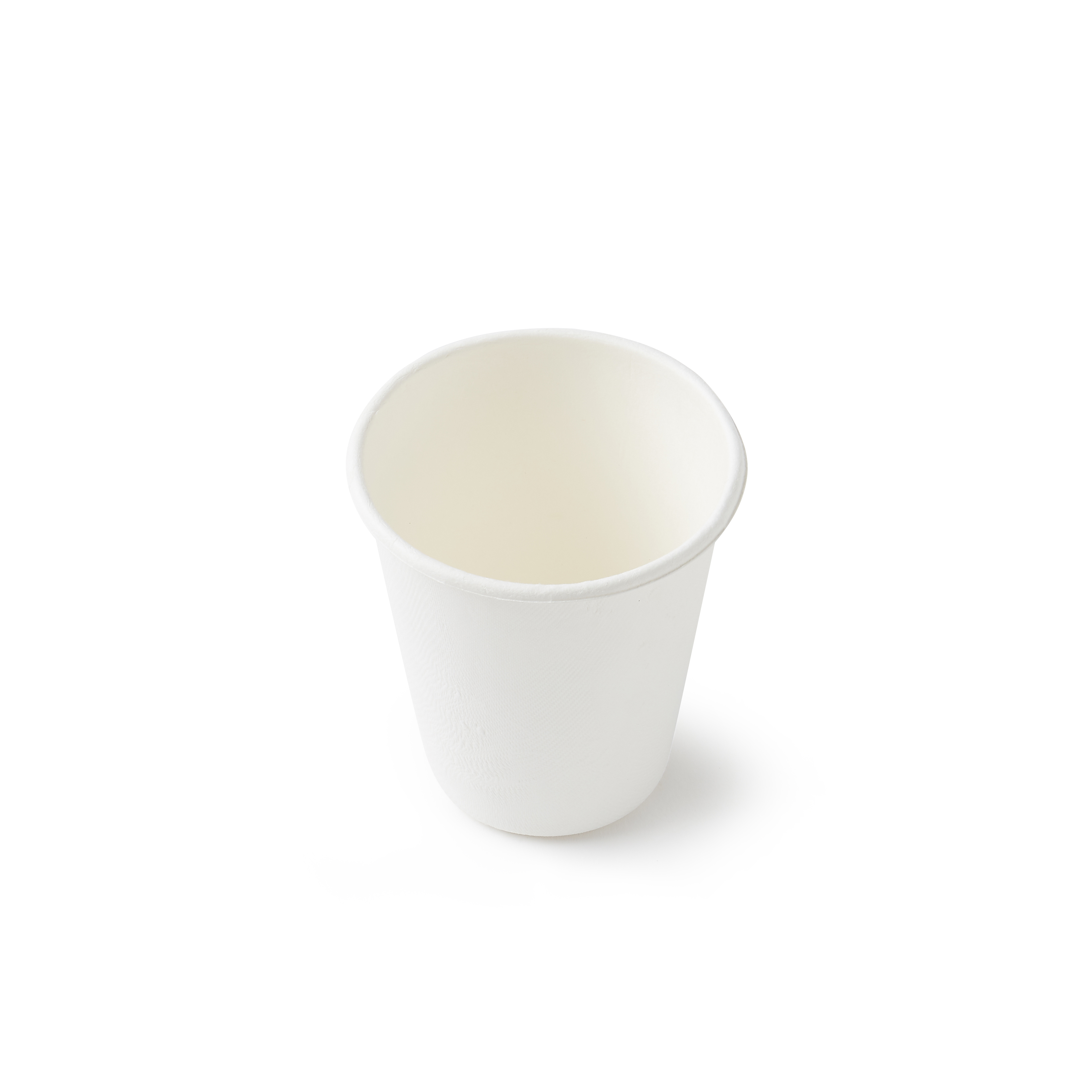
PET (Polyethylene Terephthalate): The Clarity Champion
- Technical Rationale: PET offers superior transparency and moisture barrier properties. It maintains excellent rigidity down to freezing temperatures without becoming brittle. Its high clarity is unmatched, making it ideal for visual merchandising.
- Best Application (Premium Food Market): High-transparency PET cups and dome lids are perfect for high-end cold brew coffee, artisanal desserts, and pre-packaged grab-and-go salads where visual presentation is paramount.
PLA (Polylactic Acid): The Compostable Clear Option
- Technical Rationale: PLA is a bio-based polymer that offers transparency comparable to PET. It performs well in cold conditions, remaining stable and strong, but must be kept below its softening temperature (-55°C).
- Best Application: PLA is the standard choice for cold drink cups and salad/fruit containers in businesses committed to certified composting infrastructure.
Performance Data (Cold Test): Our PET containers are rigorously tested to ensure resilience in cold chain logistics. Verified Performance: PET items maintained 100% of their original tensile strength and toughness after 24 hours of storage at 4°C (typical refrigeration temperature).
2. Hot Food Service (Temperatures between 50°C and 100°C): Heat and Structural Integrity
Hot food applications demand high thermal stability, rigidity, and superior oil/water resistance to manage the challenges of heat retention and transportation.
Sugarcane Bagasse: The High-Heat Workhorse
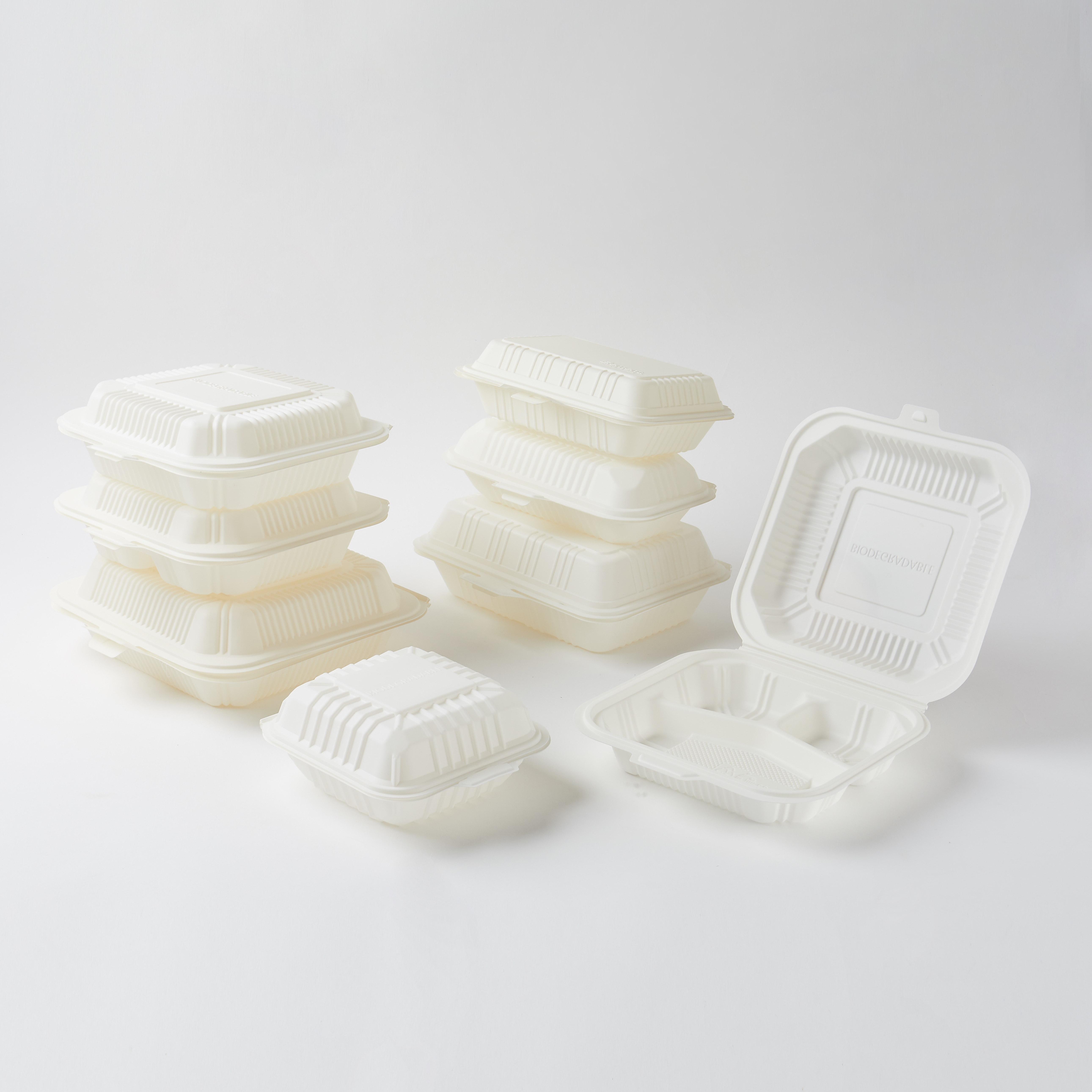
- Technical Rationale: The compressed, fibrous structure of high-density bagasse offers exceptional thermal resistance, rated up to 100°C. It provides natural insulation, which is a key feature for maintaining food temperature during delivery.
- Best Application (Large-Scale Catering/Take-out): Bagasse clam-shells and multi-compartment meal trays are the definitive choice for hot, moist foods like Asian stir-fries, American fast-food meals, and large-scale institutional catering services due to their superior resistance to hot oil and liquids.
CPLA (Crystallized Polylactic Acid): The Durable Cutlery Solution
- Technical Rationale: CPLA is engineered through crystallization to increase its stability to 85°C, making it the highest-performing bio-plastic for utensils. It is thicker and stronger than conventional plastic cutlery.
- Best Application: CPLA knives, forks, and spoons are essential for premium quick-service restaurants (QSR) and full-service take-out where durability for cutting and scooping firm, hot food is required.
Performance Data (Strength Test): The CPLA cutlery is engineered to meet commercial service demands. Verified Performance: Our CPLA forks and knives successfully withstood a 3 kg load test without breakage, aligning with established QSR (Quick Service Restaurant) standards for utensil strength.
3. Strategic Selection: Aligning Material with Market Need
B2B buyers should make choices based on their core market and logistical requirements:
| Material | Target Temperature | Primary Advantage | Ideal Customer Scenario |
|---|---|---|---|
| PET | 0°C to 55°C | Clarity & Recyclability | Cafes, juice bars, and retailers focusing on transparent cold-chain packaging. |
| PLA | 0°C to 50°C | Compostable Transparency | Institutions with access to commercial composting (e.g., college campuses, corporate cafeterias). |
| CPLA | 0°C to 85°C | Durability & Heat Resistance | QSR chains needing strong, compostable utensils for hot, dense meals. |
| Bagasse | 0°C to 100°C | Thermal Insulation & Oil Barrier | Catering companies and large-scale food delivery services (high heat, high volume). |
Conclusion: Precision Matching for Peak Performance
The key to maximizing the value of sustainable tableware lies in precise material selection. By understanding the inherent temperature capabilities and functional strengths of PET, PLA, CPLA, and Bagasse, procurement teams can strategically match each material to its ideal application. This approach not only prevents product failure and enhances the customer experience but also ensures that the environmental benefits of each material are fully realized within its optimal performance window.
Whether your business revolves around chilled, visually appealing offerings or robust, hot meal delivery, our scientifically segmented product portfolio provides a reliable, high-performance solution for every temperature requirement.