


Brand Personalization - Customization Capabilities and the MOQ Framework for Sustainable Cutlery
Engineering Your Brand Identity: Technical Requirements and Commercial Viability of Customizing Sustainable Tableware

For major foodservice and retail brands in the European and North American markets, packaging customization is a crucial differentiator. However, customizing sustainable materials like bagasse and PLA/CPLA requires specialized technical processes and strict adherence to chemical compliance standards. This article details our end-to-end customization services, from mold development to regulatory compliance of printing inks, and explains the commercial rationale behind our Minimum Order Quantity (MOQ) framework.
1. Technical Requirements for Customization and Compliance
Customization involves material transformation (molding) and chemical compliance (coloring and printing), both requiring stringent adherence to international safety regulations.
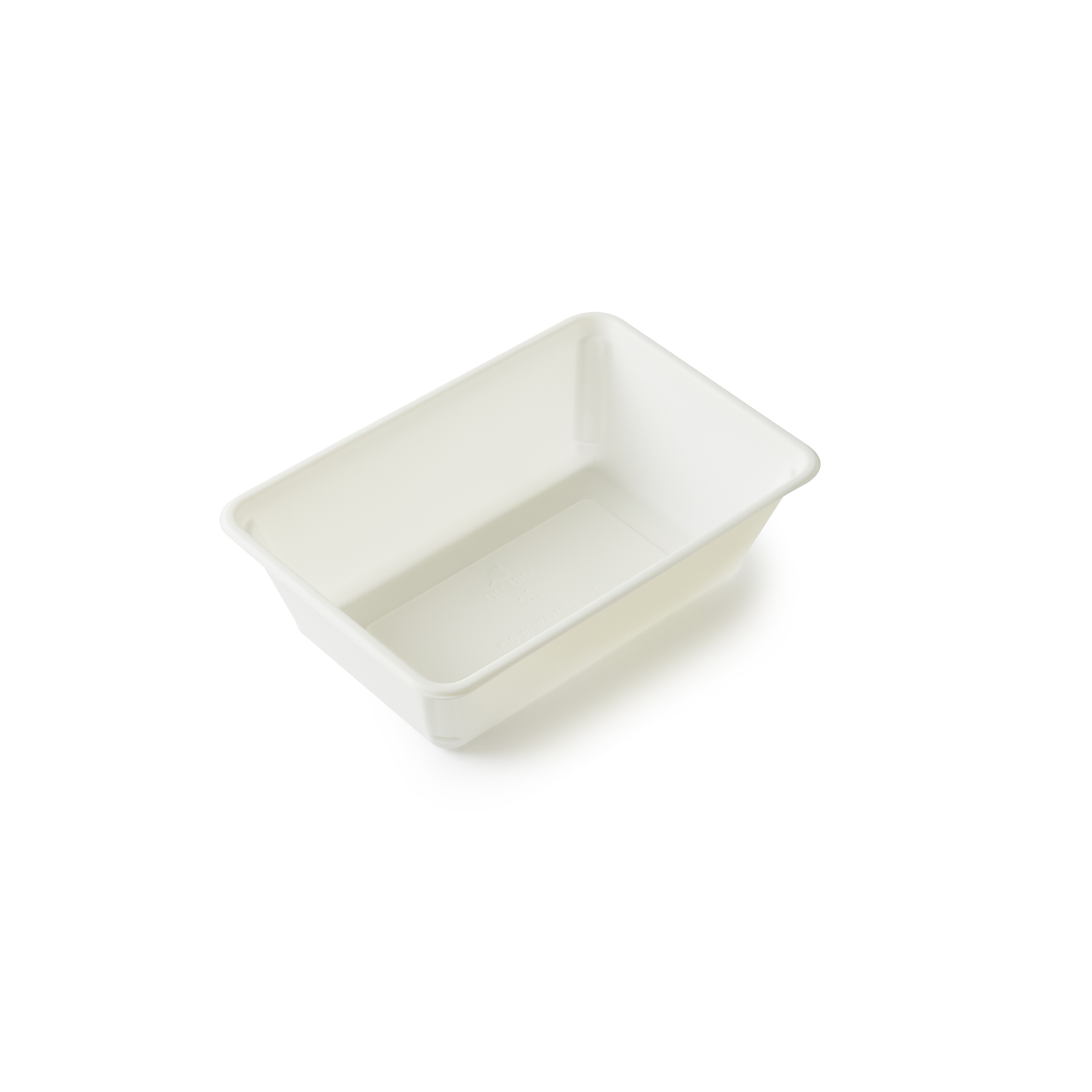
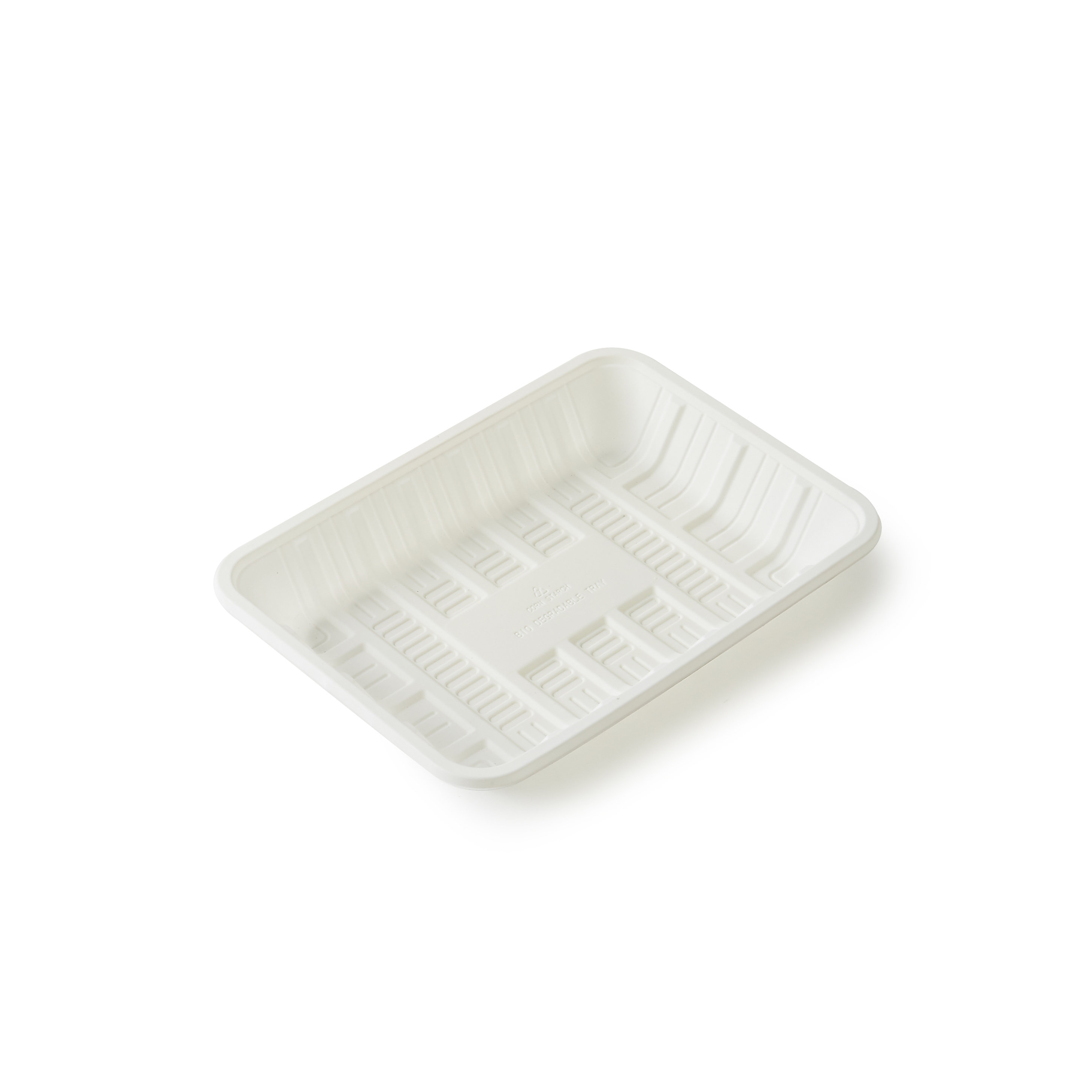
Mold Development (Shape/Size Customization)
- Process: We provide full 3D modeling and design services to translate client concepts into manufacturable toolings (molds). Bagasse molding requires high-pressure thermal compression tools, while PLA/PET requires precision injection or thermoforming molds.
- Timeline: The complexity dictates the timeline. Initial mold design confirmation to T1 (First Trial Sample) production typically takes 30 to 45 days.
- Supplier Benefit: Our in-house engineering team works to optimize the design for material flow, ensuring the customized product retains the required structural integrity and heat resistance.
Color and Logo Printing Compliance
- Printing Ink Standards: All customized brand logos and designs are applied using inks certified as safe for food contact. The ink composition is verified to be free of heavy metals and restricted substances.
- Required Proof: We mandate that all colorants (masterbatches) and printing inks carry REACH (Registration, Evaluation, Authorisation and Restriction of Chemicals) and RoHS (Restriction of Hazardous Substances) compliance certificates, essential for import and sale within the EU.
- Colorants: Color customization requires the use of FDA-approved masterbatches to ensure non-toxicity and color stability across various temperature ranges.
2. Commercial Rationale: Understanding Minimum Order Quantity (MOQ)
The MOQ is determined by manufacturing efficiency, not merely volume, ensuring the cost of production setup is amortized effectively.
Standard Products (No Custom Mold/Logo)
- MOQ Basis: For standard, non-printed items, the MOQ is primarily based on efficient container utilization.
- Standard MOQ: Our MOQ for standard products targeting the efficiency of ocean freight is approximately one 20-foot container (20`FCL), which typically translates to 200,000 to 300,000 units depending on the item size. This volume ensures competitive unit pricing by optimizing logistics costs.
Customized Products (New Mold/Shape)
- MOQ Basis: Custom shapes require significant upfront investment in high-cost steel molds. The MOQ must justify the development and setting up of a dedicated production line.
- Custom Mold MOQ: For a new shape or size (SKU), the MOQ is typically elevated to a minimum of 150,000 units per SKU. This volume ensures that the amortization of the mold cost (which has a lifespan of ~500,000 cycles) maintains cost-effectiveness for the client.
Logo Printing (Overprint)
- MOQ Basis: While less complex than mold development, logo printing requires dedicated plate-making and setup time.
- Printing MOQ: The MOQ for simple logo overprinting is usually set at 50,000 units, making the printing process economically viable.
| Customization Type | Typical MOQ Range | Primary Cost Driver & Rationale |
|---|---|---|
| Standard Product (No Customization) | 200,000 to 300,000 units (1x 20' FCL) | Logistics optimization and bulk material procurement. |
| New Shape/Size (Custom Mold) | 150,000 units per SKU (minimum) | Amortization of high-cost steel mold and dedicated production line setup. |
| Logo/Brand Printing Only | 50,000 units (minimum) | Plate-making, ink setup, and dedicated printing run efficiency. |
3. Operational Planning: Delivery and Project Timelines
Providing clear delivery timelines is critical for B2B inventory planning.
| Project Type | Key Milestones | Typical Total Timeline (Design to Delivery) |
|---|---|---|
| Full Customization (New Mold + Printing) | Design confirmation to T1 Sample (30-45 days) Production Shipping | Within 90 days |
| Logo Printing Only (On Standard Product) | Artwork & compliance sign-off Plate making Production Shipping | Within 45 days |
Conclusion: A Strategic Partnership for Branded Sustainability
Customizing sustainable tableware is a powerful tool for brand differentiation, but it requires a partner who understands both the technical intricacies of material science and the commercial realities of manufacturing. By clarifying the compliance requirements, MOQ rationale, and project timelines, we empower B2B buyers to make informed decisions.
Our goal is to transform your brand vision into a compliant, high-performance, and sustainable reality, ensuring that your customized packaging not only looks distinctive but also upholds the highest standards of safety and environmental responsibility.