


Decoding True Biodegradability - Sugarcane Bagasse vs. Corn Starch (PLA/CPLA)
A B2B Guide to Certifying True Biodegradability in Disposable Cutlery
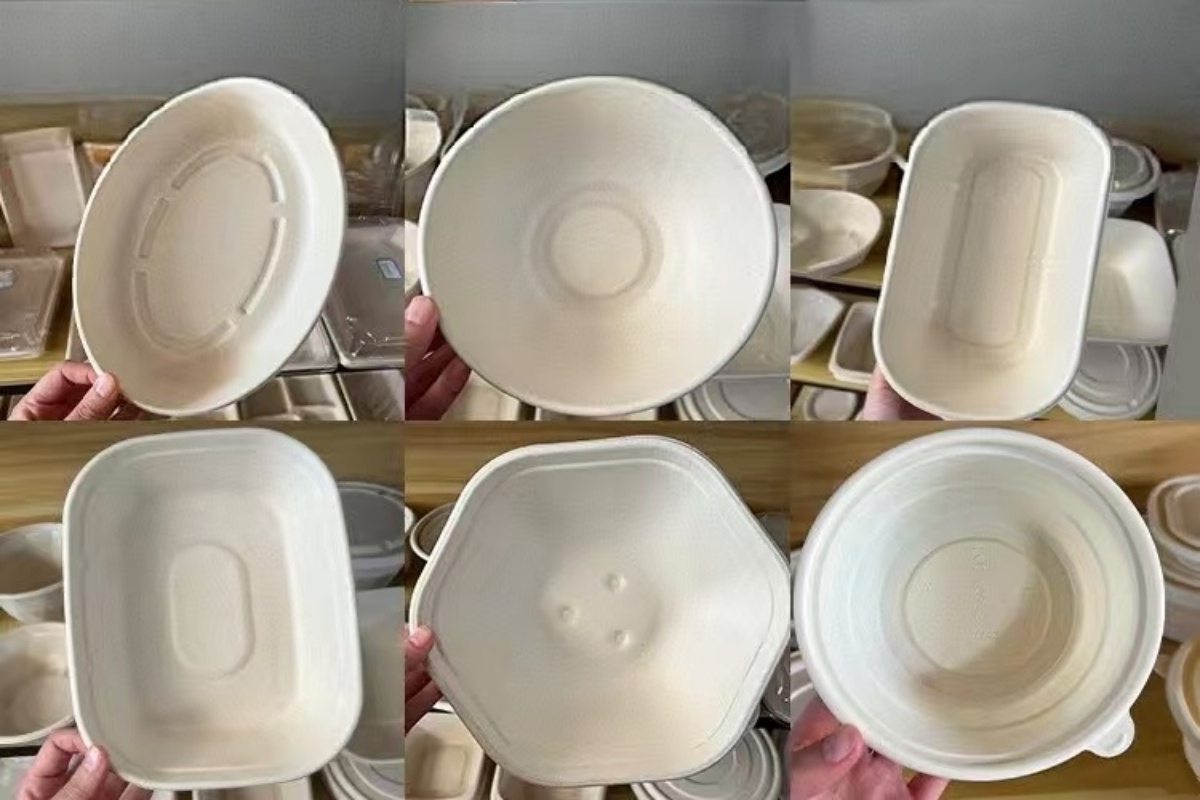
The global shift towards sustainable packaging has placed enormous pressure on procurement managers to source genuinely eco-friendly disposables. For B2B buyers in the EU and North America, distinguishing between marketing claims and certified performance is critical for compliance and brand reputation. This article breaks down the technical differences, certification requirements, and degradation timelines for sugarcane bagasse and corn starch (PLA/CPLA) materials, ensuring purchasing decisions are grounded in science.
1. Technical Deep Dive: Composition and Degradation Pathways
Understanding the fundamental material science behind biodegradable options is essential for making compliant and sustainable sourcing decisions in the B2B space.
.jpg)
.jpg)
Sugarcane Bagasse: The Fiber Advantage (PFAS-Free Focus)
Sugarcane bagasse is a byproduct of the sugar industry, rich in natural cellulose fibers. Its eco-appeal lies in its origin as a waste stream, aligning perfectly with circular economy principles.
Technology & Composition: Bagasse is molded under high heat and pressure. The core challenge is waterproofing. Traditional solutions often involve PFAS (Per- and Polyfluoroalkyl Substances) coatings, which are now heavily restricted in many US states and facing EU scrutiny.
Our Solution: We utilize a proprietary, 100% PFAS-Free natural mineral or plant-based lining. This ensures the material remains fully compliant with emerging regulations while maintaining structural integrity.
Degradation Pathway: Bagasse primarily breaks down via microbial digestion of cellulose into water, CO and biomass.
Corn Starch Derivatives (PLA/CPLA): Polymer Engineering
Polylactic Acid (PLA) is derived from fermented starch (typically corn, but also cassava or sugarcane). CPLA is the crystallized version of PLA, engineered for higher heat resistance.
Technology & Composition: PLA is a thermoplastic polyester. It appears transparent (like conventional PET) but requires specific conditions to revert to its natural components. The crystallization process (CPLA) involves thermal treatment to increase its crystalline structure, boosting its usage temperature from 55°C to 85°C.
Degradation Pathway: PLA/CPLA is processed by hydrolysis (reaction with water) followed by microbial attack. This process is highly dependent on sustained high temperatures and humidity.
2. Certification Landscape: Navigating Compliance
For B2B buyers, certifications are non-negotiable proof of performance. Key standards include:
- EN 13432 (EU) / ASTM D6400 (US): Define compostability requirements, including disintegration, biodegradation, and eco-toxicity limits.
- OK compost INDUSTRIAL / HOME (TÜV Austria): Certify degradability in industrial or home composting environments.
- PFAS-Free Verification: Critical for bagasse products, requiring lab reports proving the absence of regulated perfluoroalkyl substances.

3. Degradation Timelines & End-of-Life Scenarios
Real-world performance varies significantly:
Sugarcane Bagasse: In industrial composting, degrades within 60-90 days. In soil or marine environments, breakdown is slower but still occurs naturally without leaving microplastics.
PLA/CPLA: Requires managed industrial composting facilities (maintaining 50-60°C and high humidity) to break down within the 90-180 day certification window. In a home compost or natural environment, degradation can take years or may not complete, behaving similarly to conventional plastic.
| Material | Industrial Composting | Home Composting | Soil/Marine |
|---|---|---|---|
| Sugarcane Bagasse | 60-90 days | 6-12 months | Degrades, no microplastics |
| PLA/CPLA | 90-180 days (if conditions met) | May not fully degrade | Very slow / negligible |
4. Procurement Checklist for B2B Buyers
To ensure you're sourcing truly sustainable and compliant disposables, verify the following:
- Request Certification Copies: Valid EN 13432/ASTM D6400 reports from accredited labs.
- Clarify PFAS Status: For bagasse, insist on a PFAS-Free declaration with supporting test data.
- Understand Local Infrastructure: Match the material's degradation requirements (industrial vs. home compostable) with your region's waste management capabilities.
- Ask for Real-World Data: Case studies or third-party verification of degradation claims in environments similar to your end-use.
- Evaluate Total Carbon Footprint: Consider the entire lifecycle, from agricultural feedstock sourcing to end-of-life processing.
By moving beyond surface-level "green" marketing and demanding scientific verification, B2B buyers can make procurement decisions that genuinely support sustainability goals, ensure regulatory compliance, and protect brand integrity in an increasingly scrutinized market.