


From "Waste" to "Treasure": Why Yapugreen's Sugarcane Pulp Eco-Cutlery Is Becoming the Smart Buyer's New Choice
Pulp molding technology, certified sustainability, and proven performance — the smart choice for restaurants, cafeterias, and retail brands
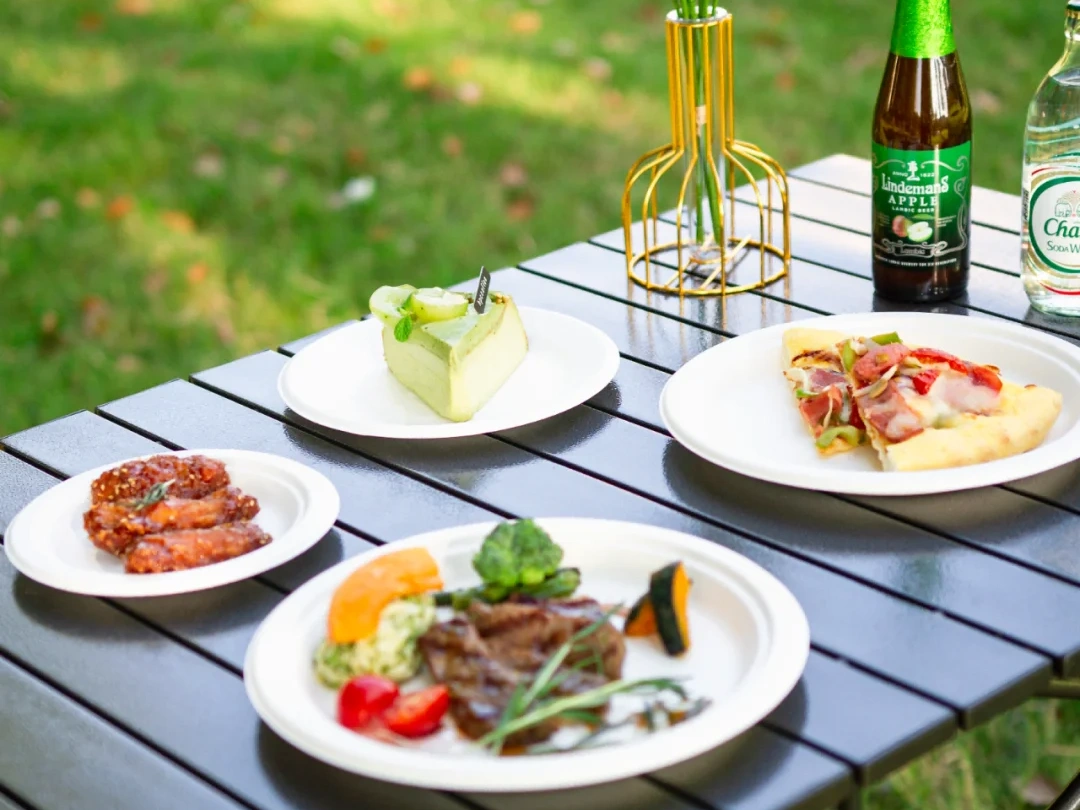
If you're searching for truly eco-friendly, cost-effective disposable tableware for your restaurant, cafeteria, or retail brand, you've likely noticed the growing buzz around "sugarcane pulp cutlery." Praised by many users as an affordable and practical plastic alternative, it also raises questions about performance and cost. As a manufacturer dedicated to plant-based tableware, Yapugreen aims to provide an objective analysis of this material's true value—helping you make informed purchasing decisions.
1. Turning Waste into Treasure: How Yapugreen Crafts High-Quality Tableware
You might wonder how sugarcane waste can become durable tableware. The secret lies in mature pulp molding technology:
- Raw Material Source: Our primary raw material is bagasse, a byproduct of sugar production. This renewable agricultural waste is recycled annually, significantly reducing environmental impact.
- Composite Reinforcement: To enhance performance, we often blend sugarcane pulp with materials like bamboo fiber. While bagasse fibers are short and coarse, bamboo fibers are long and fine. This combination creates a denser, more robust network structure, resulting in stronger finished products.
- High-Temperature Molding: The mixed pulp is molded under high pressure and heat—nearly 200°C—into final shapes within molds. After trimming and UV sterilization, you're left with sturdy, smooth, and clean tableware.
At Yapugreen, we precisely control the ratio of sugarcane pulp to bamboo fiber and the use of food-grade additives, ensuring our products are both oil- and water-resistant while remaining strong and crack-resistant.
2. Seven Core Advantages: Why Users Say It's "Great Value"
1. Genuine Sustainability, Not Just "Greenwashing"
- Renewable Raw Materials: Utilizing waste from sugar processing protects forests—every ton of bagasse pulp used saves approximately 25 trees.
- Clear Degradation Pathway: Under natural or composting conditions, our products fully break down into water and organic matter in 60–120 days, without releasing microplastics.
- Lower Carbon Footprint: Compared to traditional plastic containers, our manufacturing process reduces CO₂ emissions by up to 97%.
2. Outstanding Performance—Beyond the "Disposable" Stereotype
- Safe & Non-Toxic: Certified for food contact, free from heavy metals, phthalates, and other harmful substances—safe for direct food contact.
- Waterproof & Oil-Resistant: Engineered to resist oil and moisture penetration, ensuring a reliable dining experience.
- Heat & Cold Resistant: Withstanding temperatures from -18°C to 220°C, our products are microwave-safe and freezer-compatible—ideal for everyday use.
- Hardness Comparable to Ceramic: Thanks to high-temperature molding, our tableware is hard, deformation-free, odorless, and feels solid and trustworthy in hand.
3. Compliance & Certification: Strengthening Your Supply Chain Credibility
Today, 64% of fast-food procurement managers require sustainability certifications as mandatory criteria when evaluating suppliers. Yapugreen provides essential documentation including FDA food contact certification, ISO quality management certification, and OK COMPOST certification—giving you solid evidence to support your sourcing decisions.
III. Objective Perspective: The Real Boundaries Between Cost and Performance
As a responsible partner, Yapugreen is transparent about several key points you should reasonably expect:
- Cost Comparison: Currently, sugarcane pulp tableware costs less than biodegradable plastics (such as PLA), but slightly more than traditional plastic cutlery. As production scales up, this price gap is narrowing (having decreased from a 60–80% premium to 25–40%).
- Not "All-Encompassing": Despite excellent heat resistance, it is not recommended for extreme heating scenarios such as open flames or ovens.
- Environmental Closed Loop: Its greatest environmental benefit is fully realized only in regions with industrial composting or waste sorting facilities—precisely the direction being driven by global plastic bans.
Conclusion: Choosing Yapugreen Means Choosing a Proven Environmental Solution
Purchasing eco-friendly tableware is essentially an investment in quality, compliance, and long-term reputation. Yapugreen's sugarcane pulp products, built on mature paper-molding technology, natural composite materials, and comprehensive international certifications, offer you a reliable alternative with clear sourcing and disposal pathways.
If you're looking for a trustworthy eco-tableware partner for your restaurant brand or corporate cafeteria, contact Yapugreen today to request samples and customized solutions. Together, let's earn market trust and shape the future with solid, dependable products.