


From Equipment to Finished Product: How Yapugreen Uses Robust Machinery to Craft High-Quality Corn Starch Tableware
Thin-wall high-speed injection molding, precision molds, and end-to-end quality control — engineered for reliability
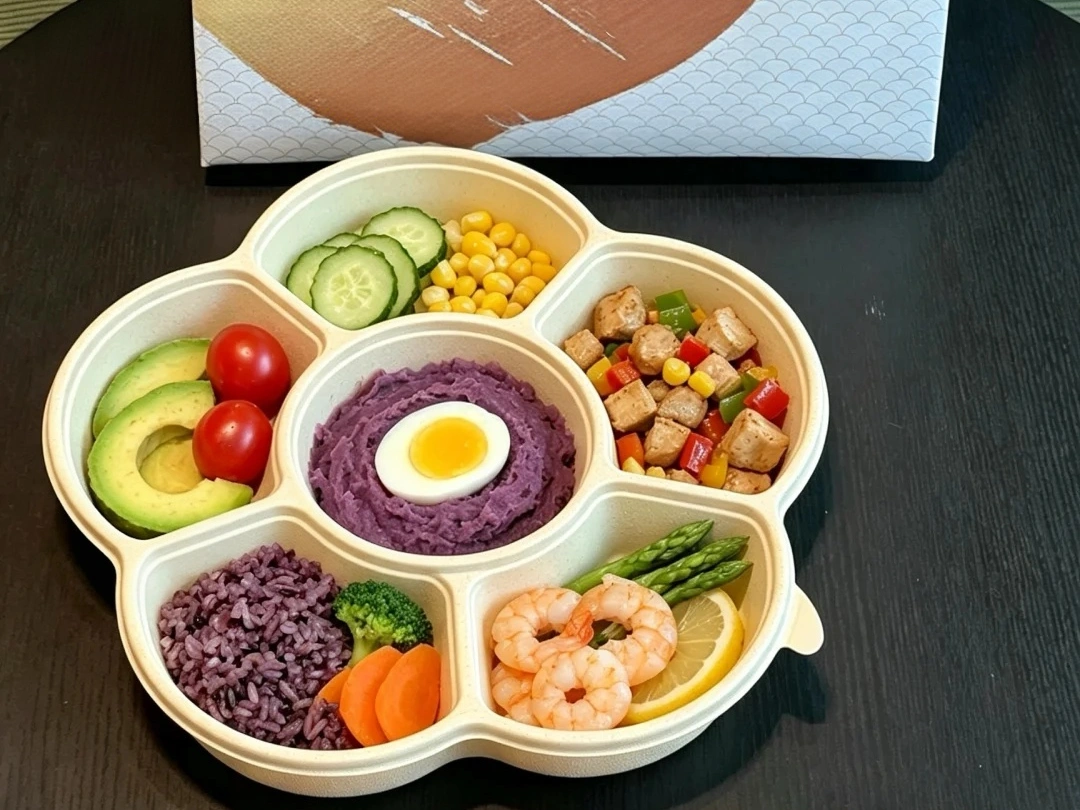
If you're searching for a reliable supplier of eco-friendly tableware for your restaurant brand or corporate cafeteria, you may have noticed a gap between product claims and reality—some items advertise as "compostable" without full certification, while others warp or leak easily in customers' hands. Procuring sustainable tableware is no longer just about concepts; it's now a comprehensive evaluation involving production equipment, manufacturing capacity, and quality control systems.
As a manufacturer deeply rooted in plant-based biodegradable tableware, Yapugreen leverages solid equipment foundations and end-to-end quality control capabilities to deliver corn starch tableware that stands up to scrutiny.
1. The Foundation of Equipment: Specialized Machinery Is the First Line of Defense
Plant-based materials such as corn starch and bamboo powder are highly hygroscopic and thermally sensitive—making them unsuitable for standard plastic injection molding equipment, which often leads to issues like material discoloration, air bubbles, and inconsistent wall thickness. From day one, Yapugreen has insisted on using dedicated production equipment optimized specifically for biodegradable materials.
- Core Molding Technology: We employ thin-wall high-speed injection molding, equipped with mold clamping systems and precise temperature control modules optimized through finite element analysis. Key components use imported configurations, ensuring a stable cycle time of 3–5.5 seconds per mold, while reducing energy consumption by 10%–20% compared to similar machines.
- Precision Mold Customization: Molds are critical to final product quality. Yapugreen's custom molds are made from imported specialty steel and feature hot runner systems, processed with high-precision CNC machining. This ensures our corn starch tableware achieves uniform wall thickness, smooth edges, and no burrs or deformation, with consistently high yield rates.
2. Reliable Assurance: End-to-End Quality Control from Raw Materials to Final Products
Having top-tier equipment requires equally rigorous management. Yapugreen has established a comprehensive quality control system covering every stage—from raw material inspection to production and finished goods release:
- Raw Material Selection: We strictly source food-contact-grade materials such as corn starch, PLA, and PBAT, eliminating harmful additives at the source.
- Production Standards: Our factory operates under ISO quality management standards and is equipped with high-precision testing instruments. Each batch undergoes sampling checks for key performance indicators including heat resistance, oil resistance, and load-bearing strength, ensuring consistent reliability.
- Complete Certification: Our products come with essential documentation, including food contact safety test reports (e.g., FDA, LFGB) and industrial compostability certifications (e.g., OK Compost), providing solid evidence to support your purchasing decisions.
3. Realistic Expectations: Performance and Cost Considerations for Starch-Based Tableware
As a responsible partner, Yapugreen also provides honest insights into the practical characteristics of our products, helping you make informed usage and value assessments:
- Heat Resistance Has Clear Limits: Modified corn starch tableware can withstand temperatures up to 120–140°C, sufficient for most hot meals and soups, but should not be used in direct flame or oven environments.
- Oil Resistance Is Reliable: Through formula optimization—including non-fluorinated oil-repellent agents—our products achieve an oil resistance rating of 8–9, effectively preventing oil penetration.
- Higher cost than traditional plastics: The development, certification, and raw material costs of bio-based materials typically result in prices higher than those of conventional disposable plastic tableware. This premium reflects the value of their environmental benefits and technological sophistication.
- Dependence on a closed-loop system: The optimal degradation pathway for these products is through industrial composting facilities. In regions lacking such infrastructure, their environmental advantages are diminished. Yet this very challenge underscores the social importance of advancing waste sorting and improving end-of-life processing systems.
Conclusion: Choose Yapugreen—Choose an Environmental Solution That Stands the Test of Time
Purchasing eco-friendly tableware is fundamentally an investment in quality, compliance, and long-term reputation. With continuous investment in specialized equipment, rigorous control over manufacturing processes, and transparent communication about product performance, Yapugreen is committed to becoming your trusted supplier of cornstarch-based tableware.
If you're looking for a reliable, long-term partner in sustainable tableware for your restaurant, cafeteria, or retail business, contact Yapugreen today to request samples and customized solutions. Together, let's earn market trust and shape a better future with solid, dependable products.