


Say Goodbye to "False Degradation" and "Plastic Feel": Truly Rugged Cornstarch Tableware That Elevates Your Brand and the Planet
Compression-Molded, Certified Compostable & Built for Real-World Performance — The Honest Choice for Sustainable Foodservice
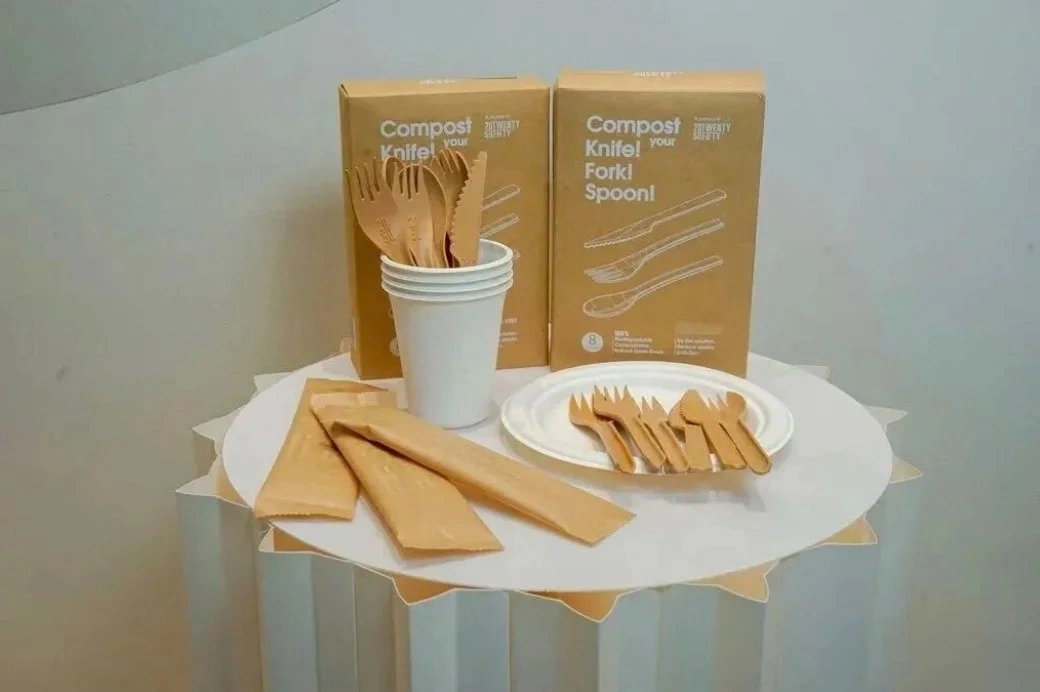
Are you searching for tableware that meets increasingly strict environmental regulations, won't unexpectedly collapse in customers' hands, and adds green value to your brand image? Cornstarch-based eco-tableware is the ideal solution. But it's not a "magic bullet." As a professional manufacturer with advanced compression molding expertise, Yapugreen wants to help you understand what truly effective eco-tableware can deliver for your business—and where its real limitations lie.
1. How Does Yapugreen Create Differentiated Eco-Tableware?
Unlike simple injection molding, Yapugreen uses compression molding technology to produce cornstarch tableware. Think of it as pressing solid, durable products into shape using molds—rather than injecting liquid and cooling it afterward. The key advantages of this process include:
- Better Material Compatibility: Compression molding works especially well with bio-based composite materials that have lower fluidity, ensuring uniform distribution of molecular chains.
- Denser Products: High-pressure forming results in higher density and superior strength, giving the tableware a firm, ceramic-like feel instead of the thin, flimsy texture of low-quality plastic.
- More Stable Performance: Lower internal stress reduces warping and deformation, delivering reliable performance in critical areas such as heat resistance and oil resistance.
This core manufacturing process forms the physical foundation behind Yapugreen's superior product quality.
2. Three Core Advantages: Why Smart Buyers Choose Yapugreen
1. Genuine Sustainability, Not Greenwashing
- Authentic Renewable Materials: Made primarily from industrial-grade corn starch, our raw materials are traceable, annually renewable, and reduce reliance on fossil fuels.
- Clear Degradation Pathway: Yapugreen products are certified to biodegrade within 90–180 days under industrial composting conditions (specific temperature, humidity, and microbial environments). We provide complete test reports and compost certification to support your compliance needs in an era of "evidence chain" scrutiny.
- Lower Carbon Footprint: Life cycle assessments show a 35%–62% reduction in carbon footprint compared to conventional plastics, directly supporting your company's ESG goals.
2. Superior User Experience, Beyond Disposable Cheapness
- Safe and Non-Toxic: Made from food-grade materials with no harmful additives (such as BPA or phthalates), safe for direct contact with hot and cold foods.
- Heat and Durability Resistant: Excellent water and oil resistance, high hardness, and minimal deformation make them ideal for holding salads, pastries, cold meals, and short-term warm dishes.
- Enhances Brand Image: Their natural, earthy aesthetic conveys your commitment to quality and health, resonating positively with environmentally conscious consumers.
3. Compliance and Reliability: Mitigating Supply Chain Risks
- Strict Manufacturing Standards: Yapugreen follows ISO quality management systems, enforcing rigorous quality control from raw materials to finished products to ensure consistent batch quality.
- Complete Certification: We provide essential documentation including food-contact material test reports, industrial compostability certifications, and bio-based content certificates—ensuring your procurement stands up to any audit.
3. Realistic Expectations: Understanding Performance and Cost Boundaries
As a responsible long-term partner, Yapugreen is transparent about realistic expectations:
- Heat Resistance Considerations: Although modified, prolonged exposure to liquids above 70°C (e.g., boiling oil or hot water) may cause softening. Therefore, these products are best suited for cold, room-temperature, or short-term warm food applications. For hot beverages, we recommend using Yapugreen's specialized heat-resistant series or PLA-coated paper cups designed specifically for hot drinks.
- Cost Considerations: Currently, certified bio-based materials cost approximately 30%–40% more than traditional plastics. This premium reflects the investment in environmental attributes, technological development, and authoritative certification. However, as production scales up, this price gap is gradually narrowing.
- Environmental Closed-Loop Dependency: Its greatest environmental benefit is realized only in regions with industrial composting facilities. In landfills or uncontrolled disposal environments, it does not degrade quickly. Yet this very limitation underscores the importance of advancing waste sorting and improving end-of-life processing infrastructure.
Conclusion: Choosing eco-friendly tableware is both an investment and a vision
Purchasing sustainable tableware is no longer a simple "replacement" decision—it's a complex choice that integrates physical performance, regulatory compliance, application suitability, and cost management. Yapugreen's cornstarch-based tableware offers a thoroughly considered solution, backed by robust compression molding technology, reliable bio-based materials, and a comprehensive certification system.
If you're seeking a trusted partner for eco-friendly tableware for your food brand, corporate cafeteria, or retail channels, Yapugreen is ready to provide samples, customized solutions, and tailored quotations. Contact Yapugreen's sales team today—let's build a future where practicality and responsibility go hand in hand, earning market respect and long-term success.