


Bagasse vs Cornstarch Tableware: Which Is Better for Your Business?
As sustainable packaging becomes a standard requirement, many buyers are deciding between bagasse and cornstarch tableware. Each material has its advantages depending on your application and market.
As sustainable packaging becomes a standard requirement, many buyers are deciding between bagasse and cornstarch tableware. Each material has its advantages depending on your application and market.
What Is Bagasse Tableware?
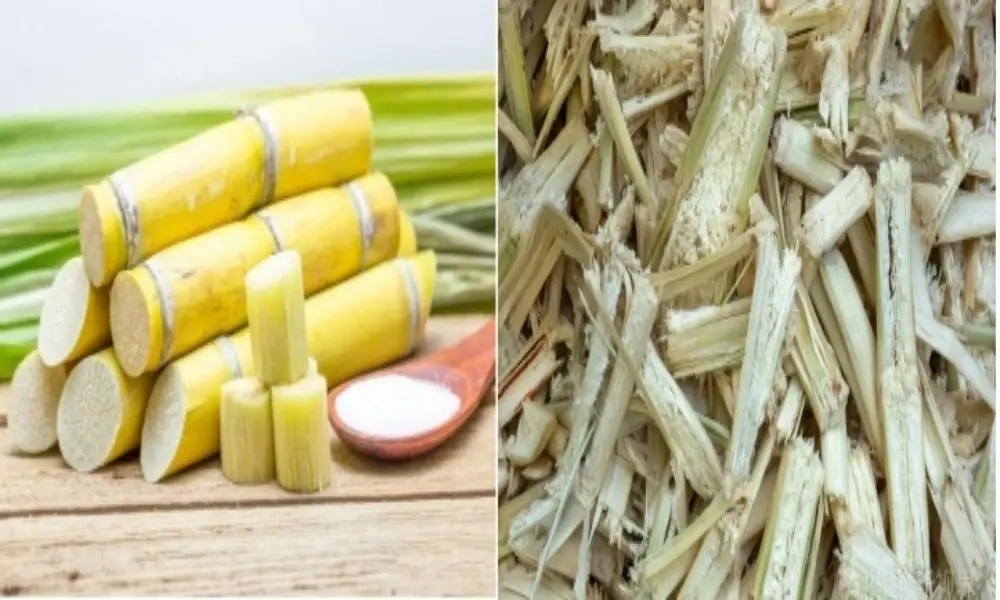
Bagasse is made from sugarcane fiber, a by-product of the sugar industry. It is widely used for:
- Plates and bowls
- Clamshell takeaway boxes
- Food trays
Advantages:
- Strong and heat-resistant
- Compostable and plastic-free
- Suitable for hot and oily foods
What Is Cornstarch Tableware?
Cornstarch products are made from plant-based biopolymers. They are commonly used for:
- Cutlery
- Cups
- Lightweight containers
Advantages:
- Smooth texture similar to plastic
- Biodegradable under proper conditions
- Lightweight and cost-effective
Key Differences
| Feature | Bagasse | Cornstarch |
|---|---|---|
| Heat Resistance | High | Medium |
| Strength | Strong | Moderate |
| Best Use | Plates & containers | Cutlery & cups |
| Sustainability | Compostable | Biodegradable |
Which Should You Choose?
- For takeaway food packaging → Bagasse is ideal
- For utensils and lightweight use → Cornstarch is better
- For full product lines → Combine both materials
Conclusion
Both materials play an important role in eco packaging. The right choice depends on your product positioning and customer needs.
👉 Need bulk supply or custom solutions? Get in touch with our team today.